
Table of Contents
Introduction to Vegetable Pasta
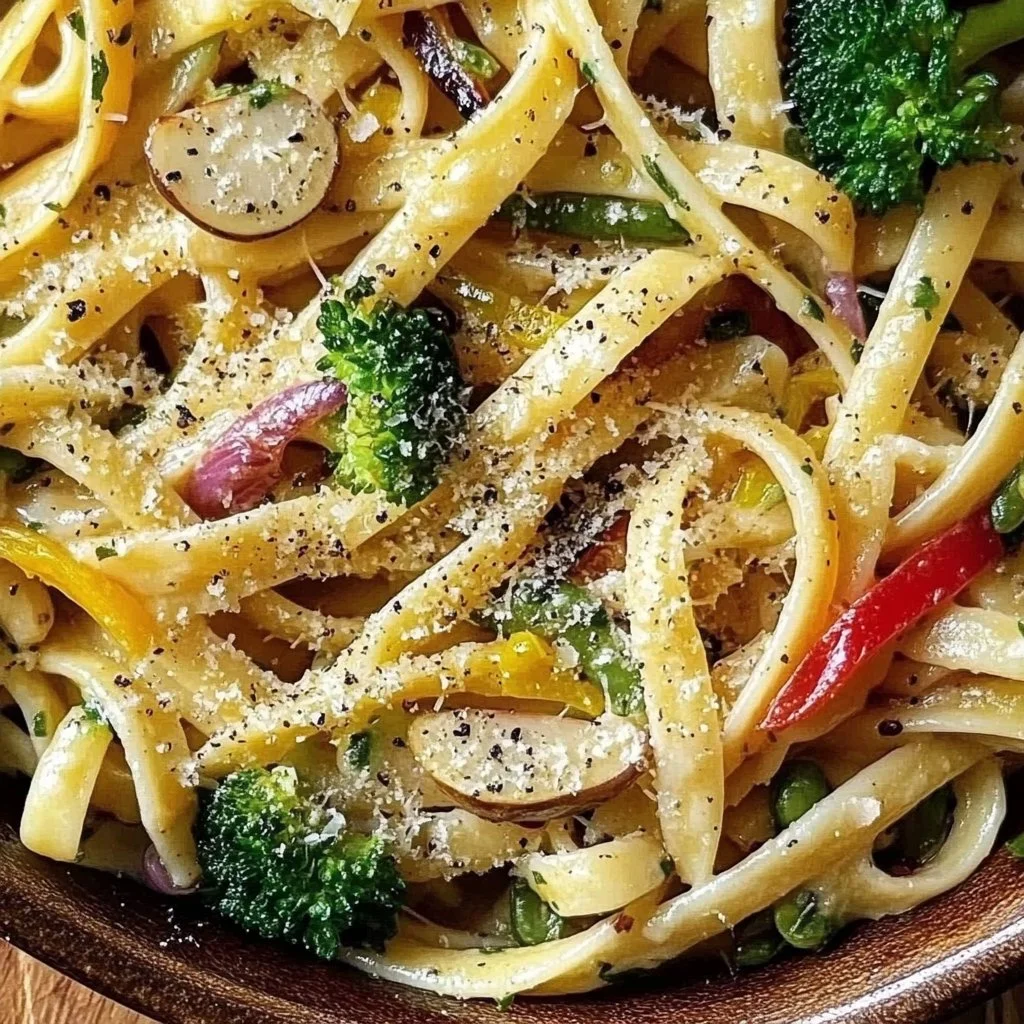
When it comes to hearty yet healthy meals, few options can rival a well-prepared Vegetable Pasta. Imagine vibrant colors dancing on your plate, with tender vegetables harmoniously mingling with perfectly cooked pasta. Not only is this dish visually appealing, but it’s also a festival of flavors that celebrates the best of seasonal produce. Whether you’re looking for a quick weeknight dinner or a cozy dish to impress friends, Vegetable Pasta stands out as a versatile choice.
Have you ever felt the joy of indulging in a meal that’s both comforting and light? The magic of Vegetable Pasta lies in its ability to bring together various tastes while remaining simple to prepare. This recipe isn’t just about nourishment; it’s about enjoying every bite, and it’s perfect for any occasion—from casual family dinners to special gatherings.
What makes this recipe even more special is its flexibility. You can easily customize it based on your preferences or what you have on hand. So, if you’re a fan of seasonal vegetables, don’t hesitate to experiment! The beauty of Vegetable Pasta is that it encourages you to be creative while still being a wholesome, fulfilling meal.
Key Benefits of Vegetable Pasta
Why You’ll Love This Recipe
- Packed with vitamins and nutrients from fresh vegetables.
- Quick to prepare, making weeknight dinners effortless.
- Highly customizable to suit your taste preferences or dietary needs.
- A visually stunning dish that impresses guests.
- Combines comforting flavors with a light profile.
- Perfect for meal prepping and leftovers.
What Makes It Stand Out
Vegetable Pasta is not your typical pasta dish. What sets it apart is the focus on wholesome ingredients, ensuring that each component complements the pasta itself. It’s not just a side dish; it can easily take center stage on your dinner table. The standout feature of Vegetable Pasta is how it showcases seasonal vegetables, allowing you to enjoy the freshest flavors year-round.
Moreover, this recipe provides countless opportunities for customization. Whether you’re a strict vegetarian, following a gluten-free diet, or just someone who loves to experiment with ingredients, Vegetable Pasta can adapt to fit your needs. You can add proteins, swap out vegetables, or change the sauce, making it a go-to option for various dietary preferences and occasions.
Ingredients for Vegetable Pasta
Complete Ingredient List with Measurements
- 12 oz pasta (penne, fettuccine, or spaghetti)
- 1 cup broccoli florets
- 1 cup sliced bell peppers (mixed colors)
- 1 cup sliced zucchini
- ½ cup sliced carrots
- ½ cup sliced red onion
- 3 tbsp olive oil
- 3 cloves garlic (minced)
- ½ tsp salt (or to taste)
- ¼ tsp black pepper
- ½ tsp Italian seasoning
- ¼ tsp red pepper flakes (optional)
- ½ cup grated Parmesan cheese
- 2 tbsp fresh lemon juice
- Fresh basil or parsley (for garnish)
Substitutes and Alternatives
If you’re concerned about allergies or specific dietary needs, there are several substitutions you can easily make. For gluten sensitivities, consider using gluten-free pasta options like brown rice or chickpea pasta, which maintain a nice texture. To make this dish vegan, simply omit the Parmesan cheese or switch to a dairy-free cheese alternative.
Your choice of vegetables is also flexible; if you’re not a fan of broccoli, try spinach or kale instead. For added protein, think about tossing in some chickpeas or grilled chicken, ensuring that Vegetable Pasta remains a well-rounded dish whatever your preferences.
How to Make Vegetable Pasta – Step-by-Step Directions
Step 1 – Prepare Ingredients
Start by gathering and prepping all your ingredients. Chop the vegetables into bite-sized pieces and measure out the pasta. Having everything ready will streamline the cooking process.
Step 2 – Cook the Base
Bring a large pot of salted water to a boil. Add the pasta and cook according to package instructions until al dente. This usually takes around 8-10 minutes. Make sure to reserve a cup of the pasta cooking water before draining.
Step 3 – Sauté the Vegetables
While the pasta cooks, heat olive oil in a large skillet over medium heat. Add the minced garlic and cook until fragrant, about 30 seconds. Toss in the sliced red onions, carrots, and broccoli. Sauté for 5-7 minutes until tender.
Step 4 – Add Remaining Veggies
Add the sliced bell peppers and zucchini into the skillet. Season the mixture with salt, black pepper, Italian seasoning, and optional red pepper flakes. Continue to sauté for another 3-5 minutes until the vegetables are crisp-tender.
Step 5 – Build the Flavor
Using a ladle, add a few tablespoons of the reserved pasta water to the vegetable mixture. This helps to create a silky sauce, bringing the dish together without making it soupy. Stir well to combine.
Step 6 – Combine Everything
Once the pasta is cooked and drained, add it to the skillet with the sautéed vegetables. Toss everything together, ensuring the pasta is well coated in the flavorful oil and seasoning.
Step 7 – Add Cheese and Lemon Juice
Stir in the grated Parmesan cheese and fresh lemon juice, which adds brightness to the dish. Mix until the cheese melts and combines with the pasta.
Step 8 – Taste and Adjust
Before serving, taste the Vegetable Pasta. Adjust seasoning, adding more salt, pepper, or cheese as needed to maximize flavor.
Step 9 – Garnish and Serve
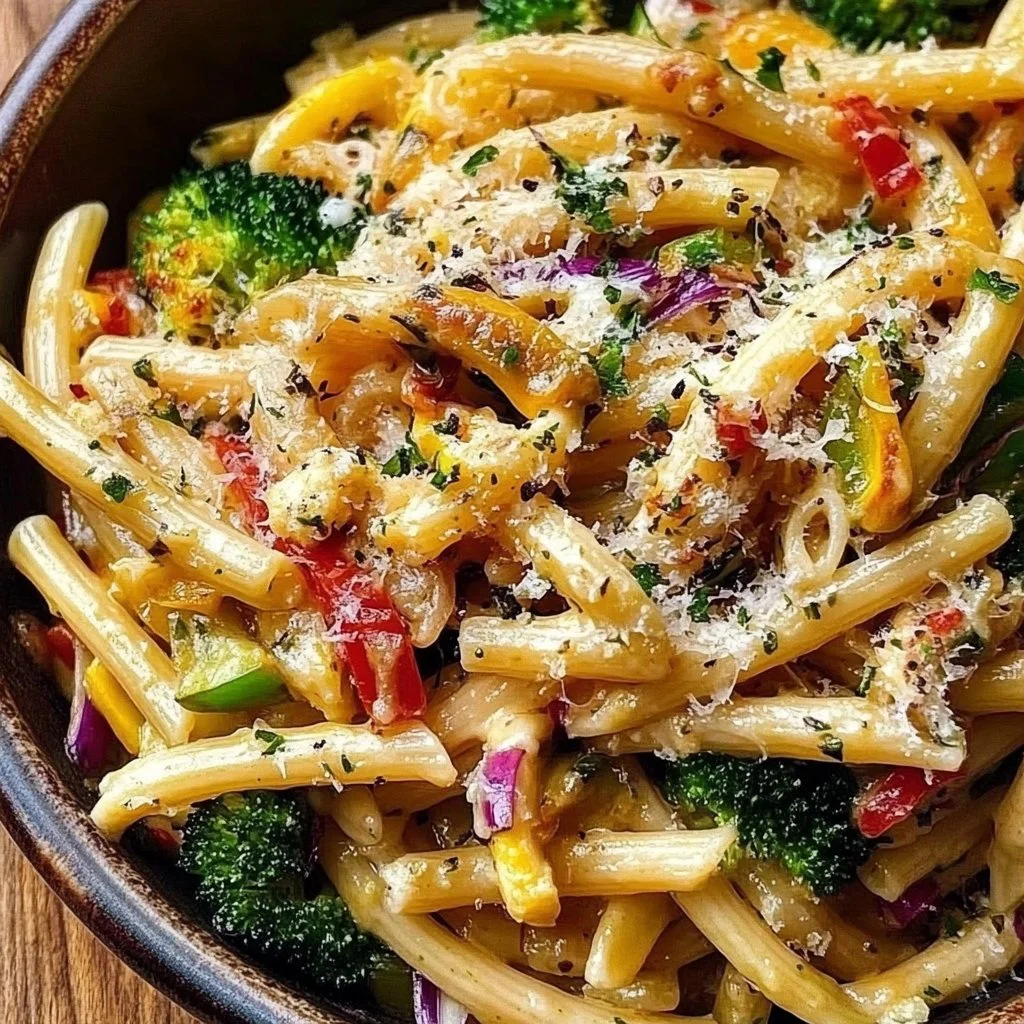
Transfer the Vegetable Pasta to serving plates or a large bowl. Garnish with fresh basil or parsley for a pop of color and freshness.
Serving Suggestions for Vegetable Pasta
Best Occasions to Serve This Dish
Vegetable Pasta is incredibly versatile and suitable for any occasion. It’s perfect for casual family meals, where simplicity meets heartiness. On special occasions, this dish impresses guests with its colorful presentation and balanced flavors, making it an ideal choice for hosting dinner parties.
What to Serve With It
Pair your Vegetable Pasta with a fresh garden salad for a refreshing crunch. A side of garlic bread or a glass of crisp white wine can elevate the dining experience. For those who enjoy a heartier meal, consider adding grilled chicken or shrimp as a protein complement.
How to Store Vegetable Pasta Properly
Best Storage Practices
Storing Vegetable Pasta is simple. If you have leftovers, let the dish cool to room temperature before transferring it to an airtight container. It can be kept in the refrigerator for up to 3-5 days. If you want to store it longer, consider freezing it for a quick meal later on.
Reheating and Freezing Tips
To reheat, simply warm the Vegetable Pasta in the microwave or on the stovetop, adding a splash of water or olive oil to bring back its original texture. For freezing, ensure it is completely cool and store it in freezer bags, removing as much air as possible. When ready to eat, allow it to thaw overnight in the fridge before reheating.
Tips & Tricks for Vegetable Pasta
Mistakes to Avoid
- Overcooking the pasta can lead to mushiness. Always refer to package cooking times.
- Not seasoning the water can make the pasta bland. Salt is key to flavor.
- Skipping the reserve pasta water can lead to a dry dish. This water is a key component of your sauce.
- Not sautéing the vegetables enough may leave them too crunchy. Aim for tender yet crisp.
- Adding cheese too early can prevent it from melting properly. Stir it in at the end to allow it to mingle better.
- Forgetting to taste and adjust seasoning could leave your dish less flavorful than intended.
Extra Tips for Better Results
For an extra burst of flavor, consider adding a splash of balsamic vinegar just before serving. This addition beautifully complements the fresh vegetables. A sprinkle of fresh herbs like oregano or thyme can enhance the dish’s aroma and taste. Also, opt for freshly grated cheese, as it melts and integrates better than pre-grated varieties.
Recipe Variations of Vegetable Pasta
Creative Twists
- Mediterranean Style: Add olives, cherry tomatoes, and feta cheese for a Mediterranean flair.
- Spicy Version: Embellish with a generous sprinkling of red pepper flakes and a splash of hot sauce.
- Creamy Version: Stir in a splash of cream or a dollop of cream cheese for a luscious touch.
- Premium Protein: Mix in grilled chicken or shrimp for a heartier meal while keeping it balanced.
Dietary Adjustments
Making Vegetable Pasta aligns with vegan or dairy-free diets is easy. Simply omit cheese altogether or use a vegan cheese substitute to maintain the flavor without dairy. If gluten is a concern, use gluten-free pasta options, ensuring the dish remains delicious and satisfying for everyone at the table.
Conclusion about Vegetable Pasta
Whether you’re a pasta enthusiast or someone simply seeking a fulfilling, veggie-packed meal, Vegetable Pasta is your answer. This dish is not only rich in flavor but also highlights the beauty and versatility of fresh vegetables. With the ability to customize and adjust to various dietary preferences, Vegetable Pasta makes a fantastic choice for any occasion. It’s approachable enough for home cooks of all skill levels, allowing everyone to create a beautiful, delicious meal. Don’t hesitate to give it a try—you might discover your new favorite dish.
FAQs about Vegetable Pasta
1 – Can I make Vegetable Pasta ahead of time?
Yes, you can prep the ingredients ahead of time, storing them separately. The dish can be combined and cooked on the day you plan to serve it for freshness.
2 – How long does Vegetable Passta last in the fridge?
Vegetable Pasta can be stored in the refrigerator for up to 3-5 days in an airtight container.
3 – Can I freeze my cooked Vegetable Passta?
Absolutely! Just ensure it cools completely, then transfer it to freezer bags for storage. It can last in the freezer for about 2-3 months.
4 – How can I reheat leftover Vegetable Passta?
Reheat in the microwave or on the stovetop, adding a splash of water or olive oil to help rejuvenate the texture.
5 – What other vegetables work well in this recipe?
Feel free to use vegetables like asparagus, spinach, or green beans to suit your taste or what’s in season.
6 – Is it ok to use dried herbs instead of fresh?
Yes, dried herbs can work in place of fresh ones; just remember to use less, as they are more concentrated in flavor.
7 – Can I add more protein to the Vegetable Passta?
Definitely! Grilled chicken, shrimp, or even chickpeas can be added for extra protein without sacrificing flavor or texture.
8 – What can I serve alongside Vegetable Passta for a complete meal?
Consider serving a fresh salad, garlic bread, or a light soup for a well-rounded dining experience.
Vegetable Pasta
Ingredients
Pasta and Vegetables
- 12 oz pasta (penne, fettuccine, or spaghetti)
- 1 cup broccoli florets
- 1 cup sliced bell peppers (mixed colors)
- 1 cup sliced zucchini
- ½ cup sliced carrots
- ½ cup sliced red onion
Flavorings and Oils
- 3 tbsp olive oil
- 3 cloves garlic (minced)
- ½ tsp salt or to taste
- ¼ tsp black pepper
- ½ tsp Italian seasoning
- ¼ tsp red pepper flakes optional
Finishing Touches
- ½ cup grated Parmesan cheese
- 2 tbsp fresh lemon juice
- to taste fresh basil or parsley (for garnish)
Instructions
Preparation
- Start by gathering and prepping all your ingredients. Chop the vegetables into bite-sized pieces and measure out the pasta.
Cooking the Pasta
- Bring a large pot of salted water to a boil. Add the pasta and cook according to package instructions until al dente, around 8-10 minutes, reserving a cup of the cooking water before draining.
Sautéing Vegetables
- While the pasta cooks, heat olive oil in a large skillet over medium heat. Add the minced garlic and cook until fragrant, about 30 seconds.
- Toss in the sliced red onions, carrots, and broccoli. Sauté for 5-7 minutes until tender.
Adding Remaining Veggies
- Add the sliced bell peppers and zucchini into the skillet. Season with salt, black pepper, Italian seasoning, and optional red pepper flakes. Sauté for another 3-5 minutes until the vegetables are crisp-tender.
Combining and Serving
- Add a few tablespoons of the reserved pasta water to the vegetable mixture to create a silky sauce. Stir to combine.
- Once the pasta is cooked and drained, add it to the skillet with the sautéed vegetables. Toss everything together until well coated.
- Stir in the grated Parmesan cheese and lemon juice, mixing until the cheese melts.
- Taste and adjust seasoning, adding more salt or pepper as needed.
- Garnish with fresh basil or parsley before serving.