
Table of Contents
Introduction to Vegetarian Pasta Primavera
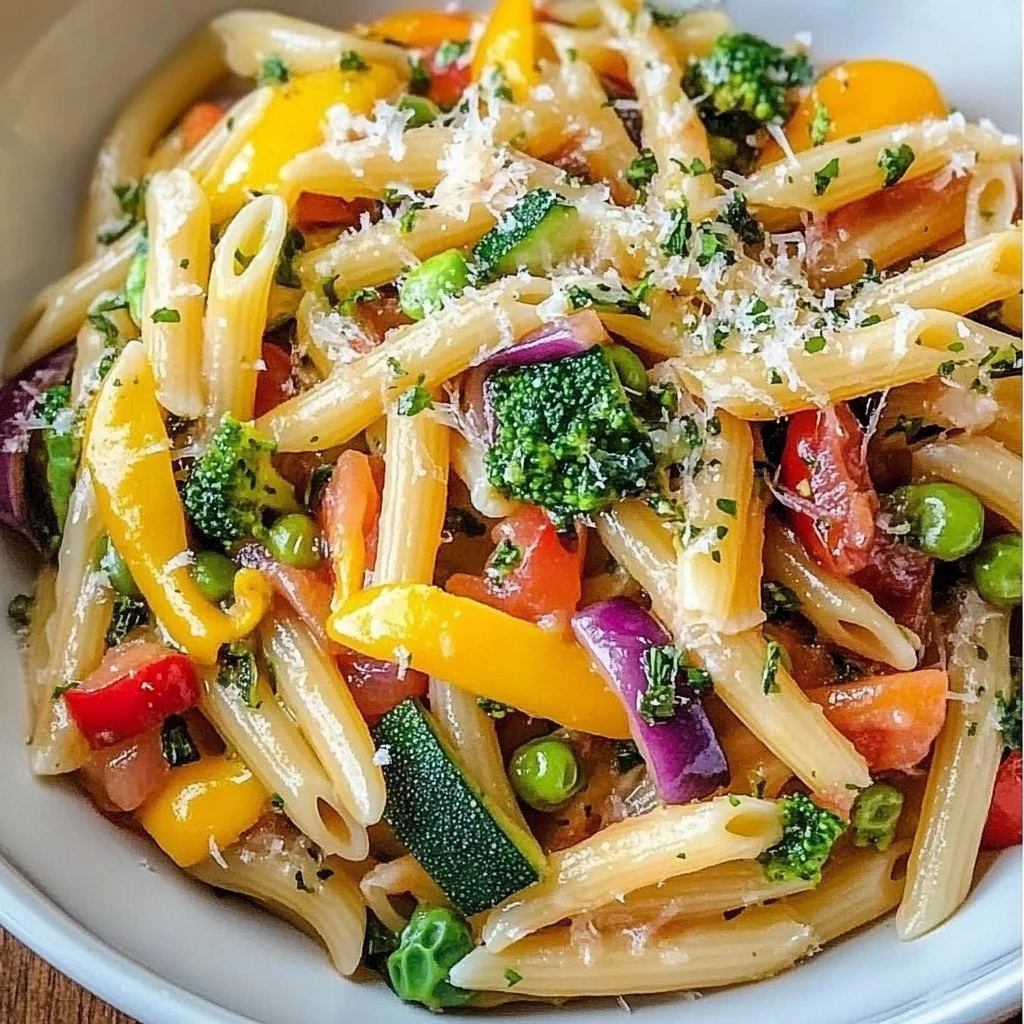
Have you ever craved a dish bursting with flavors that also feels light and refreshing? Enter Vegetarian Pasta Primavera, a delightful medley of vibrant vegetables tossed with pasta. This dish not only satisfies your hunger but also nourishes your body with its array of nutrients. Imagine al dente pasta intermingling with colorful bell peppers, zucchini, carrots, and juicy cherry tomatoes. The aroma of garlic and Italian seasoning wafts through the air, making it impossible to resist.
What sets this recipe apart is its simplicity and versatility. Whether you’re a seasoned cook or just starting your culinary journey, Vegetarian Pasta Primavera is an easy recipe to follow. You can customize the vegetables based on what’s in season or your personal preferences. This accessibility is what makes the dish special. Plus, it’s quick enough for a weeknight dinner yet elegant enough to impress guests at a gathering.
Have you ever wondered why so many people love pasta primavera? It’s straightforward yet incredibly satisfying. The combination of fresh ingredients ensures that every bite is brimming with deliciousness. Serve it with a sprinkle of Parmesan cheese and a garnish of fresh basil, and you’ll have a colorful platter that looks as good as it tastes. Are you ready to explore the wonders of Vegetarian Pasta Primavera and make it a staple in your home?
Key Benefits of Vegetarian Pasta Primavera
Why You’ll Love This Recipe
- Flavorful medley: The combination of different vegetables creates a vibrant taste.
- Simple preparation: Quick and easy to make, perfect for busy evenings.
- Customizable: Swap veggies based on your preference or seasonal availability.
- Nutritious: Packed with vitamins and minerals from fresh ingredients.
- Versatile: Great as a main course, side dish, or meal prep for lunch.
- Appealing presentation: The colorful array makes it visually captivating.
What Makes It Stand Out
Vegetarian Pasta Primavera stands out for its originality and the possibility for customization. Unlike heavy pasta dishes, this one celebrates the freshness of seasonal vegetables. You can easily adapt it to include whatever you have at hand, making it an ideal recipe for using up leftover veggies lurking in the fridge.
It’s also incredibly well-suited for various occasions. This dish shines during casual family meals, elegant dinner parties, or picnics. Its versatility allows you to serve it hot or cold, making it a go-to recipe regardless of the season or event.
Ingredients for Vegetarian Pasta Primavera
Complete Ingredient List with Measurements
- 8 oz pasta (your choice)
- 2 tablespoons olive oil
- 1 cup bell peppers, sliced
- 1 cup zucchini, sliced
- 1 cup carrots, sliced
- 1 cup cherry tomatoes, halved
- 2 cloves garlic, minced
- 1 teaspoon Italian seasoning
- Salt and pepper to taste
- Parmesan cheese (optional) for serving
- Fresh basil for garnish
Substitutes and Alternatives
If you have allergies or dietary restrictions, there are plenty of substitutes for Vegetarian Pasta Primavera. For gluten-free individuals, you can use gluten-free pasta options made from rice or quinoa. If you’re looking for a lighter alternative, spiralized vegetables like zucchini or carrots can replace the pasta altogether.
Feel free to vary the vegetables used based on your preferences or what you have available. Broccoli, asparagus, or spinach can be excellent additions. Alternatively, if you need a dairy-free option, skip the Parmesan cheese or use a vegan alternative.
How to Make Vegetarian Pasta Primavera – Step-by-Step Directions
Step 1 – Prepare Ingredients
Start by gathering all the ingredients. Slice the bell peppers, zucchini, and carrots, and halve the cherry tomatoes. Mince the garlic and set everything aside for easy access during cooking.
Step 2 – Cook the Base
Bring a pot of salted water to a boil and cook the pasta according to package directions until al dente, typically around 8-10 minutes. Drain the pasta and set it aside while you prepare the vegetables.
Step 3 – Heat the Oil
In a large skillet, heat 2 tablespoons of olive oil over medium heat. Allow the oil to warm up before adding any vegetables.
Step 4 – Add the Vegetables
Once the oil is hot, add the sliced bell peppers, zucchini, and carrots to the skillet. Sauté them for about 5-7 minutes until they are tender but still crisp.
Step 5 – Add Garlic
Stir in the minced garlic and cook for an additional 1-2 minutes. The garlic will release its aroma and combine with the sautéing vegetables, enhancing the flavor.
Step 6 – Incorporate Cherry Tomatoes
Add the halved cherry tomatoes to the skillet along with the Italian seasoning. Cook everything together for another 2 minutes, allowing the tomatoes to soften slightly.
Step 7 – Season the Mixture
Season your vegetable mixture with salt and pepper to taste. Be generous, as this will elevate the dish’s overall flavor profile.
Step 8 – Combine Pasta and Vegetables
Now, add the cooked pasta into the skillet with the vegetables. Toss everything together, making sure the pasta is evenly coated with the olive oil and vegetable mixture.
Step 9 – Final Touches
Taste the dish and adjust the seasonings if necessary. If you prefer a creamier texture, consider adding a splash of vegetable broth or a dollop of cream here.
Step 10 – Serve and Garnish
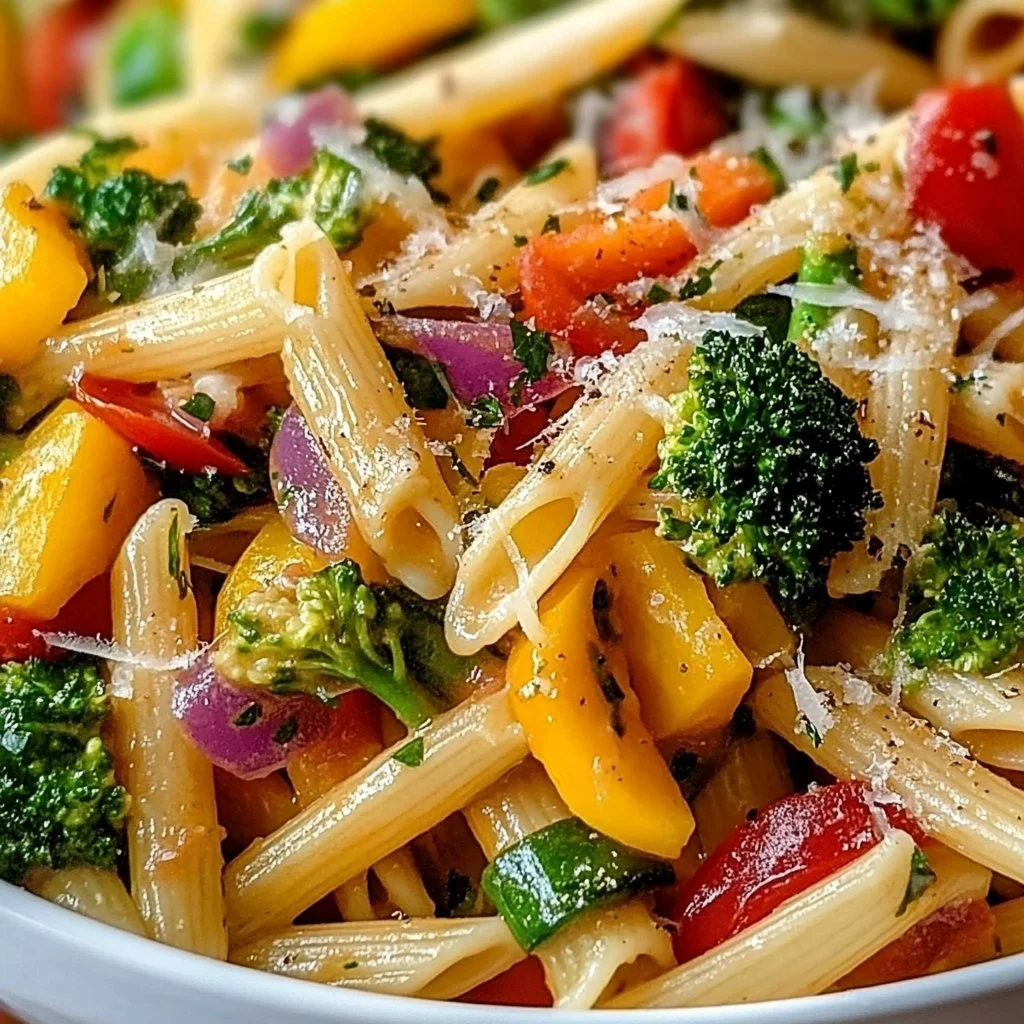
Plate the Vegetarian Pasta Primavera and finish with freshly grated Parmesan cheese if desired. Garnish with fresh basil leaves for added flavor and color.
Serving Suggestions for Vegetarian Pasta Primavera
Best Occasions to Serve This Dish
Vegetarian Pasta Primavera is perfect for various occasions. It’s an excellent choice for family dinners, where everyone can enjoy it without restrictions. If you’re hosting friends, this dish can be served as a light main course that doesn’t feel overwhelming. For summer gatherings or potlucks, consider serving it cold as a pasta salad variation.
What to Serve With It
To complement Vegetarian Pasta Primavera, you might consider serving a simple side salad, garlic bread, or bruschetta. A crisp white wine pairs beautifully with the dish, enhancing the overall dining experience. For a heartier meal, grilled chicken or fish can be an excellent addition for those who prefer protein.
How to Store Vegetarian Pasta Primavera Properly
Best Storage Practices
Vegetarian Pasta Primavera can be stored in an airtight container in the fridge for up to 3-5 days. Just ensure that it’s completely cooled down before sealing to prevent moisture build-up.
Reheating and Freezing Tips
When reheating, you can use a microwave or skillet. If using a microwave, add a splash of water to keep the pasta moist. For freezing, store the pasta in a freezer-safe container for up to three months, though the texture may change slightly upon thawing.
Tips & Tricks for Vegetarian Pasta Primavera
Mistakes to Avoid
1 – Overcooking the pasta: Make sure to cook it al dente to prevent mushiness.
2 – Skipping the seasoning: Don’t forget to season your vegetables while cooking for enhanced flavor.
3 – Crowding the pan: Cook in batches if necessary; overcrowded vegetables won’t sauté properly.
4 – Using low-quality ingredients: Fresh, organic vegetables enhance flavor and nutrition.
5 – Not adjusting flavors: Always taste before serving and adjust seasonings as needed.
Extra Tips for Better Results
To boost flavor even more, consider adding a splash of lemon juice right before serving. For texture, add nuts such as pine nuts or walnuts, which bring a delightful crunch. Experiment with fresh herbs like thyme or oregano to add a unique twist!
Recipe Variations of Vegetarian Pasta Primavera
Creative Twists
1 – Mediterranean Style: Add olives, feta cheese, and artichoke hearts for a Mediterranean twist.
2 – Spicy Kick: Toss in red pepper flakes or fresh chilies for a bit of heat.
3 – Creamy Version: Stir in a little cream or Greek yogurt at the end for added richness.
4 – Asian Fusion: Replace the Italian seasonings with soy sauce and sesame oil, and add bok choy and snap peas.
Dietary Adjustments
For vegans, simply omit the Parmesan cheese and ensure any pasta used is vegan-friendly. For a gluten-free version, substitute with gluten-free pasta. Dairy-free adjustments can be made by using nutritional yeast instead of cheese, providing a similar flavor profile.
Conclusion about Vegetarian Pasta Primavera
Vegetarian Pasta Primavera is not just a delicious recipe; it’s a celebration of fresh vegetables and flavors that can brighten up any meal. Its approachable nature makes it accessible for cooks of all levels, while its versatility allows for endless customization. Whether you’re looking to enjoy a light dinner after a long day or impress guests at your next gathering, this dish has got you covered.
You’ll find it’s not just a recipe but an invitation to explore your creativity in the kitchen. Packed with nutrients and bursting with flavor, this vibrant pasta dish is bound to become one of your favorites. So gather your ingredients and get ready to whip up this delightful Vegetarian Pasta Primavera that everyone will love!
FAQs about Vegetarian Pasta Primavera
1 – Can I use any kind of pasta for this recipe?
Yes, you can use any pasta of your choice, including gluten-free options if needed.
2 – How long can I store Vegetarian Pasta Primavera in the fridge?
It can be stored in an airtight container for up to 3-5 days in the fridge.
3 – Can I make this recipe ahead of time?
Absolutely! You can prepare the vegetables and store them separately from the pasta until you’re ready to serve.
4 – Can I freeze Vegetarian Pasta Primavera?
Yes, you can freeze it in a freezer-safe container for up to three months, though the texture might change slightly upon thawing.
5 – How do I reheat Vegetarian Pasta Primavera?
You can reheat it in the microwave or on the stove, adding a splash of water to keep it from drying out.
6 – What can I add to make it more filling?
Consider adding beans, lentils, or grilled protein such as chicken or shrimp to make the dish more substantial.
7 – Is it possible to use frozen vegetables?
Yes, frozen vegetables can be used; just make sure they are thawed and drained before cooking.
8 – What if I don’t have Italian seasoning?
You can use a mix of dried herbs such as oregano, basil, and thyme as a substitute for Italian seasoning.
Vegetarian Pasta Primavera
Ingrédients
Main Ingredients
- 8 oz pasta (your choice) Use gluten-free pasta if desired.
- 2 tablespoons olive oil Extra virgin olive oil is preferred.
- 1 cup bell peppers, sliced Any color bell pepper works well.
- 1 cup zucchini, sliced Can be substituted with other squash.
- 1 cup carrots, sliced Use fresh carrots for the best flavor.
- 1 cup cherry tomatoes, halved Use ripe cherry tomatoes for sweetness.
- 2 cloves garlic, minced Fresh garlic gives the best flavor.
- 1 teaspoon Italian seasoning Feel free to adjust based on taste.
- to taste salt and pepper Season generously for best results.
- to taste Parmesan cheese (optional) Omit for a dairy-free version.
- for garnish Fresh basil Adds a nice flavor and presentation.
Instructions
Preparation
- Gather all the ingredients. Slice the bell peppers, zucchini, and carrots, and halve the cherry tomatoes. Mince the garlic and set everything aside for easy access during cooking.
Cooking Pasta
- Bring a pot of salted water to a boil and cook the pasta according to package directions until al dente, typically around 8-10 minutes.
- Drain the pasta and set it aside while you prepare the vegetables.
Sautéing Vegetables
- In a large skillet, heat 2 tablespoons of olive oil over medium heat.
- Once hot, add the sliced bell peppers, zucchini, and carrots to the skillet. Sauté for about 5-7 minutes until tender but still crisp.
- Stir in the minced garlic and cook for an additional 1-2 minutes.
- Add the halved cherry tomatoes and Italian seasoning. Cook for another 2 minutes.
- Season with salt and pepper to taste.
Combining Ingredients
- Add the cooked pasta into the skillet with the vegetables. Toss everything together until the pasta is evenly coated.
- Taste and adjust the seasonings if necessary.
Serving
- Plate the dish and garnish with freshly grated Parmesan cheese and fresh basil leaves before serving.