
Table of Contents
Introduction to Boiled Octopus: 5 Simple Steps to Seafood Perfection
If you’re searching for a dish that bleeds both simplicity and sophistication, look no further. Boiled octopus is a unique seafood creation that captures hearts and taste buds alike. Have you ever pondered how to obtain perfectly tender and flavorful octopus? This recipe titled Boiled Octopus: 5 Simple Steps to Seafood Perfection is your answer. Not only is this dish easy to prepare, but it also brings a touch of the sea to your dining table, making any meal feel special.
One of the most alluring aspects of boiled octopus is its versatility. You can serve it as a standalone dish, as part of a seafood platter, or even included in a fresh salad. This recipe stands out because it uses simple and fresh ingredients to elevate the natural flavor of the octopus, resulting in a mouthwatering experience that’s hard to beat. Imagine tender slices of octopus served with a drizzle of olive oil and a sprinkle of sea salt—each bite a testament to your culinary prowess.
Many might think cooking octopus is a daunting task, but the truth is it can be straightforward with the right approach. In Boiled Octopus: 5 Simple Steps to Seafood Perfection, we will break down the process into clear steps, ensuring even novice cooks can create a delicious seafood dish that dazzles. The added benefit? You can adjust it to suit your preferences, making it a genuinely customizable meal.
Let’s delve into the key benefits of this recipe, showcasing why you should add it to your cooking repertoire.
Key Benefits of Boiled Octopus: 5 Simple Steps to Seafood Perfection
Why You’ll Love This Recipe
- Simple Preparation: The steps you need to take are straightforward, ensuring anyone can master this recipe.
- Delicious Flavor: The combination of bay leaves and onion enhances the natural sweetness of the octopus.
- Healthy Options: Octopus is packed with protein, low in calories, and filled with essential nutrients.
- Versatile Serving: It can be served warm or cold, making it suitable for different occasions.
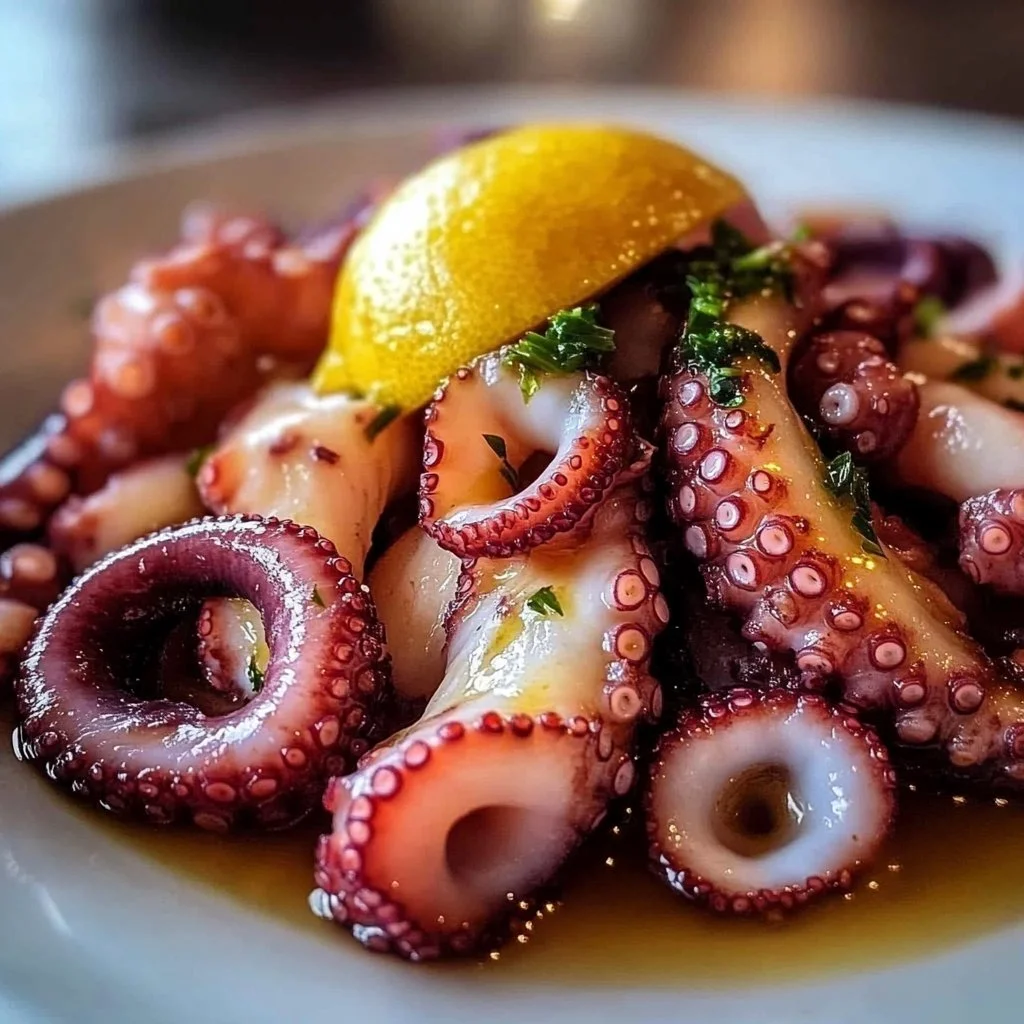
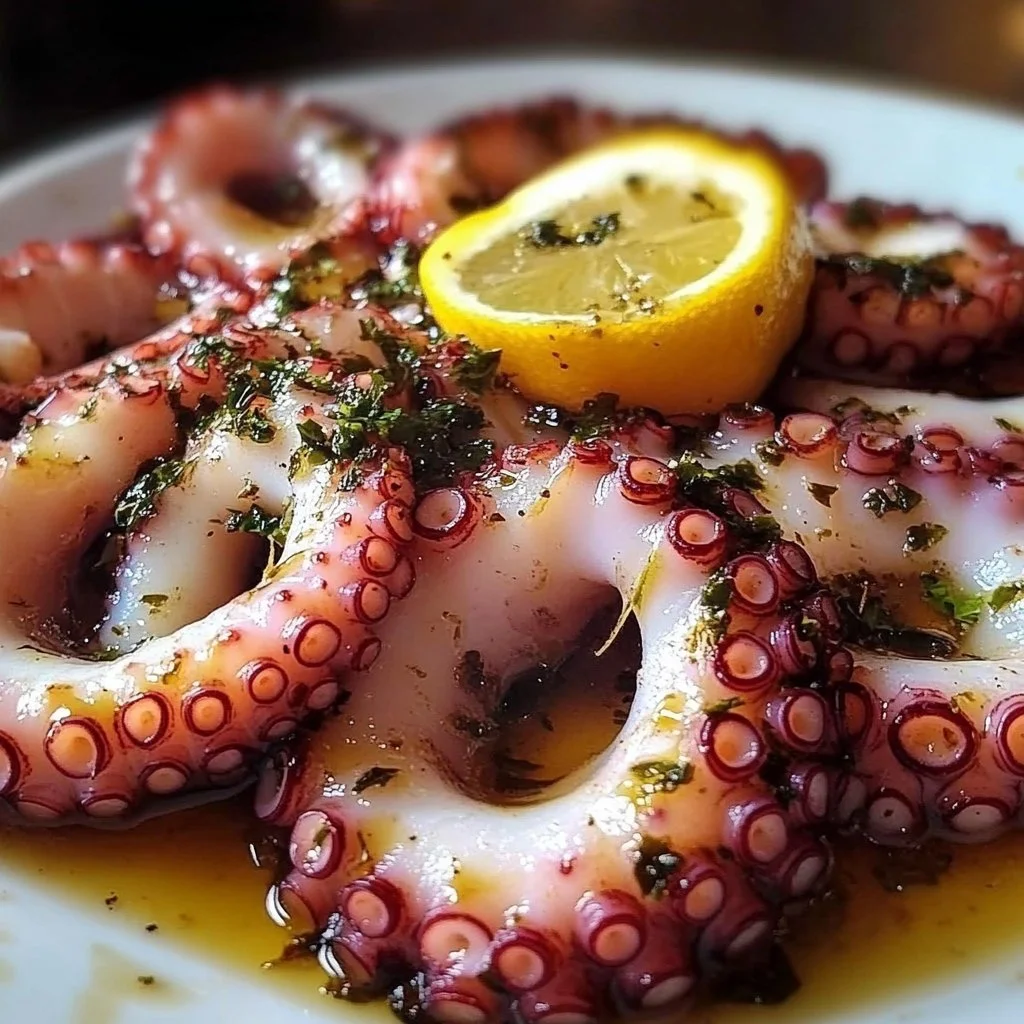
- Impressive Presentation: The vibrant pink hues of boiled octopus make it visually enticing.
- Quick Cooking Time: The entire process is efficient, allowing you to enjoy a gourmet meal in under an hour.
What Makes It Stand Out
What makes Boiled Octopus: 5 Simple Steps to Seafood Perfection truly special is its ability to shine in various culinary contexts. Whether you wish to serve it as an appetizer at a dinner party or include it in a summer seafood feast, it caters to multiple settings. The scenery shifts from casual to elegant with this dish.
Moreover, this recipe offers room for customization. Adding ingredients like herbs, citrus, or spices can elevate the dish further. You might even find yourself inspired to put your unique twist on the original recipe, showcasing your culinary creativity.
Ingredients for Boiled Octopus: 5 Simple Steps to Seafood Perfection
Complete Ingredient List with Measurements
- 1 kg octopus
- 1 onion, quartered
- 2 bay leaves
- Salt to taste
- Water as needed
Substitutes and Alternatives
If you’re allergic to certain ingredients or just want to experiment, there are substitutes available. For instance, if you don’t have bay leaves, you could use dried oregano or thyme for a different aromatic touch. Should the onion’s taste be too strong for some, you can easily skip it, adjusting salt and seasoning to your preference. It’s all about making the dish work for you while staying true to the spirit of Boiled Octopus: 5 Simple Steps to Seafood Perfection.
How to Make Boiled Octopus: 5 Simple Steps to Seafood Perfection – Step-by-Step Directions
Step 1 – Prepare Ingredients
Start your culinary journey by cleaning your octopus under cold running water. This step is crucial for ensuring the freshness and cleanliness of your seafood. The next tasks involve quartering the onion and gathering bay leaves and salt.
Step 2 – Cook the Base
In a large pot, combine the water, quartered onion, bay leaves, and salt. The salt will help to season the water, infusing the octopus with flavor during boiling.
Step 3 – Bring the Water to a Boil
Set the pot on medium-high heat and bring the mixture to a rolling boil. This will set the stage for the octopus, surrounding it with aromatic flavors.
Step 4 – Add the Octopus
Once the water reaches a boiling point, carefully add the cleaned octopus to the pot. Be cautious as the water may splatter.
Step 5 – Reduce Heat and Simmer
After adding the octopus, reduce the heat to low, allowing the mixture to simmer gently. Let it cook for about 45 minutes. This slow cooking method will ensure the octopus becomes tender.
Step 6 – Check for Tenderness
After 45 minutes, it’s time to check if the octopus is tender. Use a fork to poke at the thickest part; if it glides easily without resistance, the cooking process is a success.
Step 7 – Simmer Longer if Needed
If the octopus doesn’t reach the desired tenderness, continue simmering for short increments of 5 to 10 minutes. Continue checking routinely.
Step 8 – Remove and Cool
Once at the desired tenderness, carefully remove the octopus from the pot and place it on a cutting board. Allow it to cool slightly before slicing into bite-sized pieces.
Serving Suggestions for Boiled Octopus: 5 Simple Steps to Seafood Perfection
Best Occasions to Serve This Dish
Boiled octopus is excellent for various occasions. Whether hosting a summer barbecue or a dinner party, this dish will impress your guests. Its vibrant color and unique flavor profile are sure to spark conversations and delight palates.
Aside from formal gatherings, serving it as an appetizer during casual family meals works nicely too. With its simplicity and elegance, you can strike the right balance between comfort food and sophistication.
What to Serve With It
Pairing your boiled octopus with sides complements its taste beautifully. Consider serving it with a simple green salad, roasted vegetables, or garlic bread. A drizzle of good-quality olive oil and a spritz of lemon can elevate the flavors even further.
How to Store Boiled Octopus: 5 Simple Steps to Seafood Perfection Properly
Best Storage Practices
To ensure your boiled octopus stays fresh, it’s critical to store it properly. Place any leftovers in an airtight container and store them in the refrigerator for up to three days. For more extended storage, consider freezing the slices in a freezer-safe bag. This not only preserves the flavor but also allows you to enjoy your octopus at a later date.
Reheating and Freezing Tips
To reheat your boiled octopus, you can either use a stovetop or microwave. If using a stovetop, place the slices in a pan over low heat, adding a splash of water or olive oil to maintain moisture. If you prefer the microwave, heat in short intervals to avoid overcooking. When it comes to thawing frozen octopus, transfer it to the refrigerator overnight before reheating for the best results.
Tips & Tricks for Boiled Octopus: 5 Simple Steps to Seafood Perfection
Mistakes to Avoid
1 – Overcooking the Octopus
Cooking too long can turn the octopus rubbery and tough. Keep a close eye on tenderness.
2 – Not Cleaning Properly
Always clean the octopus under running water, removing any remnants or sand for the best flavor.
3 – Skipping the Flavor Base
Neglecting to add aromatics like onion and bay leaves can lead to a bland dish.
4 – Forgetting to Check Timing
Each octopus may vary slightly in cooking time, so check for doneness regularly.
5 – Ignoring Cooling Time
Cutting the octopus too early can make it tougher; allow it to rest for optimal texture.
Extra Tips for Better Results
For superior flavor, try marinating boiled octopus with olive oil, garlic, and herbs after cooking. This simple step infuses additional flavor while enhancing the presentation. You can also experiment with different herbs or spices, such as paprika or fresh lemon zest, to suit your palate.
Recipe Variations of Boiled Octopus: 5 Simple Steps to Seafood Perfection
Creative Twists
1 – Grilled Octopus
After boiling, toss the octopus on a grill for a few minutes to achieve a delightful char and smoky flavor.
2 – Octopus Salad
Slice the boiled octopus and toss it with fresh greens, cherry tomatoes, olives, and a tangy vinaigrette for a refreshing salad.
3 – Spicy Stir-Fry
Combine boiled octopus with stir-fried vegetables and a spicy sauce for an exciting fusion twist.
Dietary Adjustments
For those adhering to vegan or gluten-free diets, while octopus itself can’t be adapted, exploring plant-based seafood alternatives can create similar dishes with different ingredients. Zucchini or cauliflower can mimic texture, allowing you to experiment with similar flavors while staying within dietary preferences.
Conclusion about Boiled Octopus: 5 Simple Steps to Seafood Perfection
To experience the beauty of sea dining, look no further than Boiled Octopus: 5 Simple Steps to Seafood Perfection. The simplicity of the recipe paired with the depth of flavor makes it a dish worth trying. With just a few straightforward ingredients, you can create a captivating meal that’s healthy, impressive, and utterly satisfying.
Whether you’re new to seafood or a seasoned enthusiast, this recipe invites exploration and creativity. Embrace the versatility it offers, and share it with family and friends, making memories around a beautifully cooked octopus dish that is sure to delight everyone.
FAQs about Boiled Octopus: 5 Simple Steps to Seafood Perfection
1 – How do I know when the octopus is cooked?
Gently poke the thickest part of the octopus with a fork. It should be tender and easy to pierce without resistance.
2 – Can I make this dish ahead of time?
Absolutely! Boiled octopus can be prepared in advance and stored in the fridge for up to three days, making it an excellent make-ahead dish.
3 – What can I serve with boiled octopus?
Consider pairing it with fresh salads, grilled vegetables, or a side of crusty bread. A drizzle of olive oil and lemon spritz also elevates the dish.
4 – Can I freeze boiled octopus?
Yes, boiled octopus freezes well. Store it in an airtight container or freezer-safe bag for up to three months.
5 – Can I substitute octopus with another seafood?
While octopus has a unique flavor and texture, calamari or shrimp could be used as alternatives in similar recipes.
6 – Is this recipe suitable for beginners?
Definitely! Boiled octopus: 5 Simple Steps to Seafood Perfection is straightforward and guides you through each essential step.
7 – What should I do if it’s tough after cooking?
If the octopus turns out tough, it means it may have been undercooked. Continue cooking for a few more minutes while checking for tenderness.
8 – How do I reheat leftovers?
To reheat, place the octopus slices in a pan over low heat with a splash of water or oil, or use a microwave for quick warm-ups.
9 – Can I customize this recipe?
Certainly! Feel free to add spices, herbs, or even other vegetables to suit your taste, allowing you to make the dish your own.
10 – Can I use frozen octopus for this recipe?
Yes, frozen octopus is acceptable. Just ensure it is thawed properly before cleaning and cooking.
Boiled Octopus
Ingrédients
Main Ingredients
- 1 kg octopus Fresh, cleaned
- 1 onion, quartered
- 2 bay leaves
- to taste tsp Salt Adjust to preference
- as needed liters Water For boiling
Instructions
Preparation
- Clean the octopus under cold running water.
- Quarter the onion and gather the bay leaves and salt.
Cooking the Octopus
- In a large pot, combine water, quartered onion, bay leaves, and salt.
- Set on medium-high heat and bring to a rolling boil.
- Carefully add the cleaned octopus to the pot.
- Reduce heat to low, allowing to simmer for about 45 minutes.
- Check for tenderness using a fork; if it pierces easily, it’s done.
- If not tender, continue simmering in increments of 5 to 10 minutes.
- Once tender, remove the octopus from the pot and let cool before slicing.