
Table of Contents
Introduction to Hibachi Chicken: 7 Sizzling Secrets to Mouthwatering Flavor
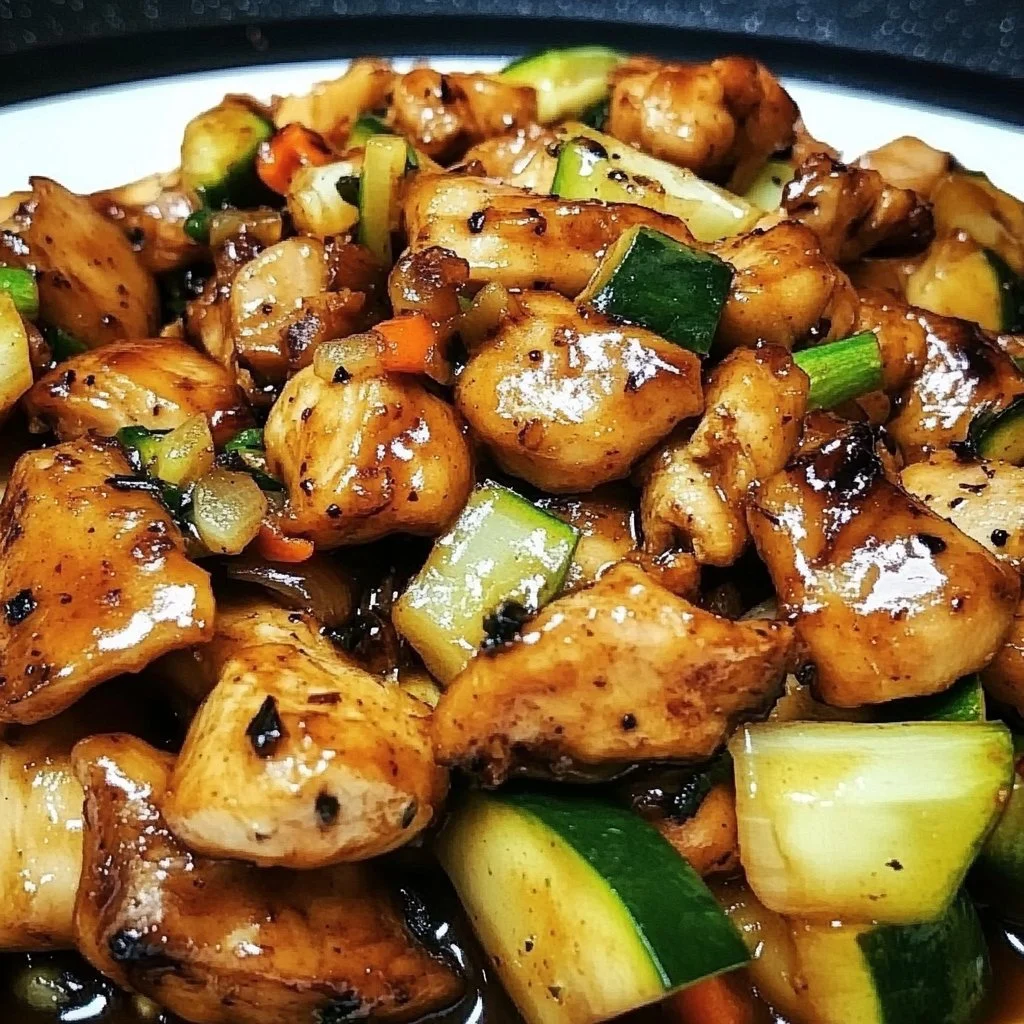
Have you ever craved the tantalizing flavors of Hibachi Chicken but found it challenging to recreate that magic at home? Fear not; with Hibachi Chicken: 7 Sizzling Secrets to Mouthwatering Flavor, preparing this iconic dish can be both simple and rewarding. Picture this: juicy chicken fillets seasoned just right, stir-fried with colorful vegetables, all finished with a splash of soy sauce. Doesn’t that sound delicious?
This recipe stands out for its incredible balance of flavors and ease of preparation. You’ll experience a delightful culinary journey that transports you to a bustling Japanese steakhouse right from your kitchen. Unlike many dishes that require complex techniques or hard-to-find ingredients, Hibachi Chicken embraces simplicity. The use of fresh ingredients enhances its vibrant colors and robust flavors, making it a feast for both the eyes and the palate.
Enjoyment is also key here—as you savor every bite, you’ll appreciate how the chicken absorbs the soy sauce, garlic, and veggies’ lively textures and tastes. But what truly makes Hibachi Chicken: 7 Sizzling Secrets to Mouthwatering Flavor special is its versatility. Whether you’re preparing a weeknight dinner or impressing guests with your cooking skills, this dish fits the occasion perfectly. Are you ready to delight your taste buds with this easy yet incredibly flavorful recipe?
Key Benefits of Hibachi Chicken: 7 Sizzling Secrets to Mouthwatering Flavor
Why You’ll Love This Recipe
- Quick and easy to prepare, perfect for busy nights.
- Flavorful blend of soy sauce, garlic, and fresh veggies.
- Versatile: easily customizable with your favorite ingredients.
- Fits dietary needs, with simple swaps for various lifestyles.
- Great for meal prep, making it easy to enjoy later in the week.
What Makes It Stand Out
Hibachi Chicken: 7 Sizzling Secrets to Mouthwatering Flavor isn’t just another chicken recipe. Its originality lies in the method of cooking and the balance of textures. Stir-frying ensures that the chicken remains tender and juicy while the vegetables maintain their crunch. The overall simplicity of this dish allows you to cater to different tastes by customizing the vegetables or adding spices.
This dish shines during gatherings and celebrations. It has a communal appeal, inviting friends and family to enjoy a shared dining experience as one gathers around the table to savor rich flavors and vibrant colors. Make it your go-to dish for family nights, BBQs, or light-hearted weekends!
Ingredients for Hibachi Chicken: 7 Sizzling Secrets to Mouthwatering Flavor
Complete Ingredient List with Measurements
- 2 chicken fillets, diced
- 2 tablespoons soy sauce
- 1 tablespoon olive oil
- 1 teaspoon garlic, minced
- 1 cup mixed vegetables (zucchini, bell peppers, onions)
- Salt and pepper to taste
Substitutes and Alternatives
If you have allergies or dietary restrictions, you can easily swap out ingredients. For gluten sensitivities, consider using tamari instead of soy sauce. If you’re looking to reduce calories, you can skip the oil altogether or use a non-stick spray. You can also substitute chicken with tofu or tempeh for a delicious vegetarian option while maintaining that satisfying texture.
For those avoiding garlic, you could use ginger for fragrant flavor or simply adjust the spices to suit your preference. Remember, Hibachi Chicken thrives on its adaptability!
How to Make Hibachi Chicken: 7 Sizzling Secrets to Mouthwatering Flavor – Step-by-Step Directions
Step 1 – Prepare Ingredients
Start by gathering all your ingredients. Dice the chicken fillets into bite-sized pieces, rinse and chop the mixed vegetables, and mince the garlic. Having everything ready will make the cooking process smoother.
Step 2 – Cook the Base
In a skillet or wok, heat the olive oil over medium-high heat. Once hot, add the diced chicken. Cook for about 5-7 minutes until the chicken is browned and cooked through, stirring often to ensure even cooking.
Step 3 – Add Garlic
After the chicken is nicely browned, add the minced garlic to the skillet. Stir it into the chicken and let it cook for about a minute until fragrant. You want to be careful not to burn the garlic, as it can turn bitter.
Step 4 – Introduce Vegetables
Now, it’s time to add your mixed vegetables into the skillet. Stir them in, allowing them to cook alongside the chicken. Cook for another 3-5 minutes until the vegetables become tender yet remain vibrant in color.
Step 5 – Pour Soy Sauce
Create a flavor explosion by pouring soy sauce over the chicken and veggies. The soy will caramelize slightly, adding a touch of sweetness while enhancing the overall umami flavor. Mix well to coat everything evenly.
Step 6 – Season to Taste
Once the soy sauce is well distributed among the mixture, season with salt and pepper to your liking. Remember to taste as you go, ensuring you hit that perfect balance.
Step 7 – Final Cook
Continue cooking the mixture for an additional 2-3 minutes. This allows the flavors to meld beautifully together. Aim for a slightly thickened sauce that clings to the chicken and vegetables.
Step 8 – Serve Hot
When everything is cooked to perfection, remove the skillet from heat. Serve your delicious Hibachi Chicken hot, either on its own or over a bed of rice or noodles.
Serving Suggestions for Hibachi Chicken: 7 Sizzling Secrets to Mouthwatering Flavor
Best Occasions to Serve This Dish
Hibachi Chicken is ideal for family dinners, casual gatherings, or even as a meal prep option for the week ahead. Impress your guests at potlucks or BBQs with this delightful and aromatic dish. It brings warmth and flavors to any occasion.
What to Serve With It
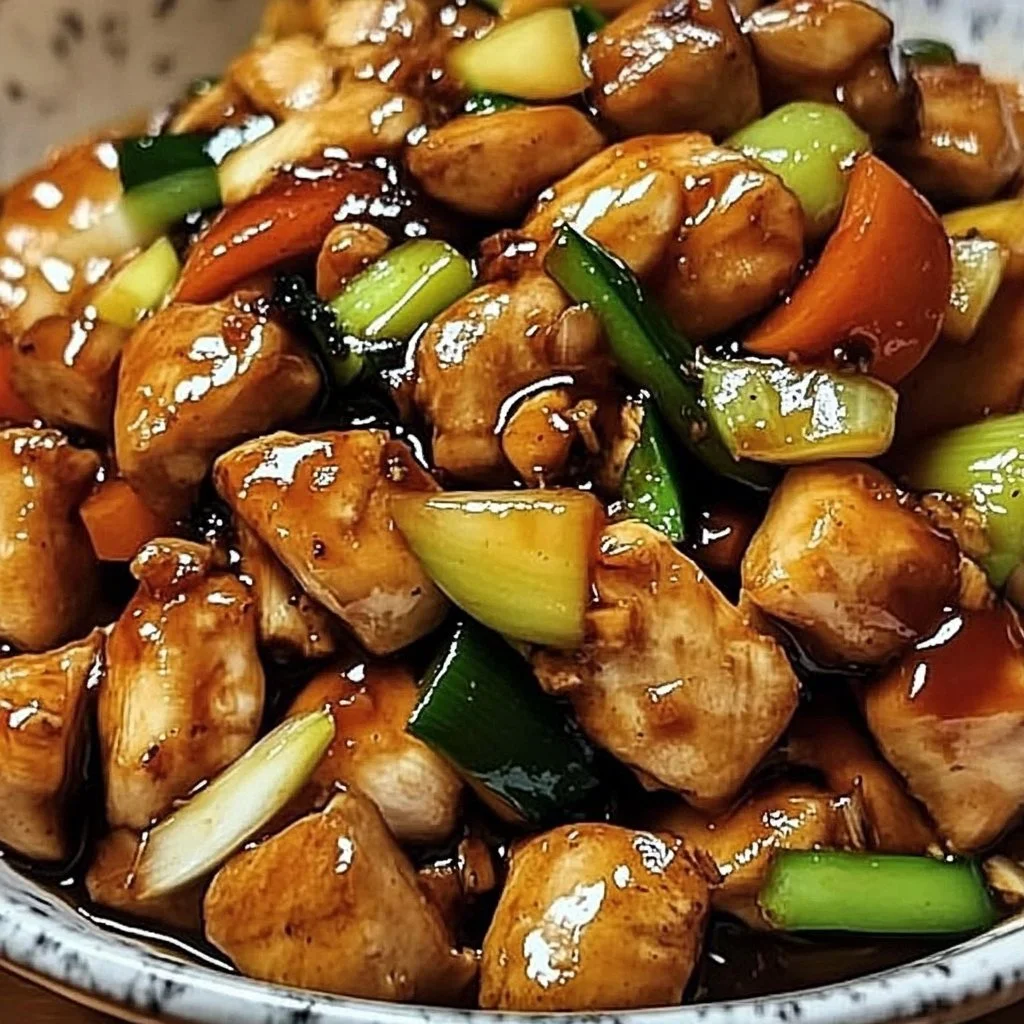
Pair Hibachi Chicken with steamed jasmine rice or fried rice for a complete meal. You could also serve it alongside a fresh salad or grilled corn. For drinks, green tea or a light white wine will perfectly complement the flavors in the dish.
How to Store Hibachi Chicken: 7 Sizzling Secrets to Mouthwatering Flavor Properly
Best Storage Practices
To store leftover Hibachi Chicken, allow it to cool completely before transferring it to an airtight container. It can be kept in the refrigerator for up to 3-4 days. Proper storage helps lock in moisture while keeping flavors intact.
Reheating and Freezing Tips
When reheating, use the microwave or a skillet. If using the microwave, heat in short bursts to avoid drying out the chicken. Alternatively, you can freeze it for longer storage, lasting up to three months. To thaw, transfer it to the refrigerator overnight before reheating.
Tips & Tricks for Hibachi Chicken: 7 Sizzling Secrets to Mouthwatering Flavor
Mistakes to Avoid
- Overcrowding the pan can lead to steaming instead of searing, resulting in less flavor.
- Burning the garlic can make the dish taste bitter, so add it after the chicken has browned.
- Not letting the chicken rest after cooking can lead to moisture loss.
Extra Tips for Better Results
Consider marinading the chicken in the soy sauce and garlic before cooking for enhanced flavor. For an added kick, drizzle a touch of sesame oil at the end for depth and aroma. Always strive for fresh vegetables to elevate the dish’s overall texture and taste.
Recipe Variations of Hibachi Chicken: 7 Sizzling Secrets to Mouthwatering Flavor
Creative Twists
To mix things up, try adding pineapple for a tropical twist or some crushed red pepper flakes for heat. You could enhance the vegetable mix with seasonal produce or try adding nuts like cashews for crunch.
Dietary Adjustments
To cater to a vegan audience, simply replace chicken with firm tofu marinated in soy sauce. For a gluten-free version, as mentioned earlier, use tamari rather than traditional soy sauce. These adjustments ensure that everyone can enjoy this flavorful delight!
Conclusion about Hibachi Chicken: 7 Sizzling Secrets to Mouthwatering Flavor
Hibachi Chicken: 7 Sizzling Secrets to Mouthwatering Flavor offers a remarkable combination of simplicity, flavor, and versatility. Whether it’s a regular weeknight dinner or a special occasion, this recipe makes it easy to delight your guests and family with a meal they will cherish. The balance of savory ingredients provides a wholesome experience that is as enjoyable to make as it is to eat. So why not try it today? You might just find your new favorite go-to dish!
FAQs about Hibachi Chicken: 7 Sizzling Secrets to Mouthwatering Flavor
How long can I store Hibachi Chicken?
You can store Hibachi Chicken in the fridge for 3-4 days in an airtight container.
Can I make Hibachi Chicken ahead of time?
Absolutely! You can prepare it ahead of time and store it in the refrigerator.
What can I serve with Hibachi Chicken?
It pairs well with rice, noodles, or a fresh salad for a balanced meal.
Is Hibachi Chicken suitable for meal prep?
Yes, it’s great for meal prep and can be portioned out for quick lunches or dinners throughout the week.
Can I freeze Hibachi Chicken?
Yes, it can be frozen for up to three months. Just make sure to cool it first before placing it in an airtight container.
How do I reheat leftover Hibachi Chicken?
Reheat it in the microwave or on the stove. Heat in short intervals to avoid drying it out.
Can I use different vegetables?
Definitely! Customize with seasonal veggies or your favorites for a personal touch.
What if I don’t have soy sauce?
Tamari can serve as a gluten-free substitute, or you could use coconut aminos for a lighter flavor.
Hibachi Chicken
Ingrédients
Main Ingredients
- 2 fillets chicken fillets, diced Use fresh chicken for better flavor.
- 2 tablespoons soy sauce Can use tamari for gluten-free option.
- 1 tablespoon olive oil May substitute with non-stick spray to reduce calories.
- 1 teaspoon garlic, minced Can replace with ginger for a different flavor.
- 1 cup mixed vegetables (zucchini, bell peppers, onions) Use seasonal vegetables for freshness.
- to taste Salt and pepper Season according to personal preference.
Instructions
Preparation
- Gather all your ingredients. Dice the chicken fillets into bite-sized pieces, rinse and chop the mixed vegetables, and mince the garlic.
Cooking
- In a skillet or wok, heat the olive oil over medium-high heat. Add the diced chicken and cook for about 5-7 minutes until browned and cooked through, stirring often.
- Add the minced garlic to the skillet and cook for about a minute until fragrant, being careful not to burn it.
- Add the mixed vegetables and stir them in, cooking for another 3-5 minutes until tender but vibrant.
- Pour soy sauce over the chicken and veggies, mixing well to coat everything evenly.
- Season with salt and pepper to taste, adjusting for balance.
- Continue to cook for an additional 2-3 minutes until the sauce thickens and clings to the chicken.
- Remove from heat and serve hot over rice or noodles.