
Table of Contents
Introduction to Homemade Mayonnaise
Have you ever tasted the velvety richness of homemade mayonnaise? If not, you’re in for a treat! Making your own mayonnaise is not only a fun and engaging kitchen experiment but also a delightful way to elevate your meals. The beauty of Homemade Mayyonnaise lies in its simplicity, freshness, and customizability, allowing you to tailor flavors to your liking.
Imagine whipping up a creamy condiment that enhances sandwiches, dips, and salads, all made with just a few basic ingredients found in your pantry. The flavor is incomparable—far superior to the store-bought version that often contains preservatives. Have you thought about what makes this Homemade Mayonnaise so special? It’s the ability to control the ingredients, ensure quality, and infuse your unique personality into each batch.
Whether you’re crafting a classic aioli or dressing up a simple vegetable platter, homemade mayyonnaise serves as the perfect base for a multitude of meals. Plus, it’s ridiculously easy to prepare! With just a few minutes of your time, you’ll have a luxurious condiment that’s rich in flavor and texture. So why settle for pre-packaged products when you can create this gorgeous addition to your kitchen? Let’s dive into what you need to know about Homemade Mayyonnaise.
Key Benefits of Homemade Mayonnaise
Why You’ll Love This Recipe
- Fresh Taste: Homemade Mayyonnaise tastes fresher than any store-bought version.
- Customizable: You can easily flavor or modify the recipe to suit your palate.
- No Preservatives: Avoid harmful additives found in mass-produced mayonnaise.
- Quick Preparation: This recipe takes just a few minutes to mix and emulsify.
- Versatile Ingredient: Perfect for sandwiches, dips, dressings, and more.
What Makes It Stand Out
Homemade Mayonnaise is not your average condiment. It allows for creativity; adding garlic, herbs, or spices can transform a simple dip into a gourmet experience. This versatility means you can prepare it for almost any occasion—be it a casual lunch, a barbecue, or an elegant dinner party.
Another aspect that sets it apart is its freshness. The rich taste and creamy texture are unparalleled, making your dishes shine. When you provide homemade options to friends and family, you’re not just serving food—you’re sharing a culinary experience that reflects your effort and love.
Ingredients for Homemade Mayonnaise
Complete Ingredient List with Measurements
- 1 large egg
- 1 tablespoon Dijon mustard
- 1 tablespoon white wine vinegar or lemon juice
- 1 cup vegetable oil (or any neutral oil)
- Salt to taste
Substitutes and Alternatives
If you have allergies or dietary requirements, don’t worry! You can easily substitute the main ingredients to suit your needs. For instance, if you’re allergic to eggs, aquafaba—a liquid drained from canned chickpeas—works as an excellent egg alternative.
For those avoiding dairy or gluten, there are no concerns, as Homemade Mayyonnaise is naturally free from both. Similarly, you can swap out the Dijon mustard for another type of mustard or even omit it entirely for a neutral taste. Each substitution allows you to explore new flavors while retaining the essence of homemade goodness.
How to Make Homemade Mayonnaise – Step-by-Step Directions
Step 1 – Prepare Ingredients
Gather your ingredients on a clean workspace. Ensure your egg is at room temperature to help with the emulsification process. Measure out the Dijon mustard, vinegar or lemon juice, and vegetable oil to streamline the blending.
Step 2 – Cook the Base
In a bowl, combine the egg, Dijon mustard, and your choice of vinegar or lemon juice. This mixture will serve as the base for your Homemade Mayyonnaise. Blend thoroughly using an immersion blender until it’s fully smooth and well combined.
Step 3 – Begin Emulsification
With the blender still running, slowly start to drizzle in the oil. This step is crucial for creating that creamy texture. Start with just a few drops of oil, and gradually increase the flow as you continue blending.
Step 4 – Observe the Thickness
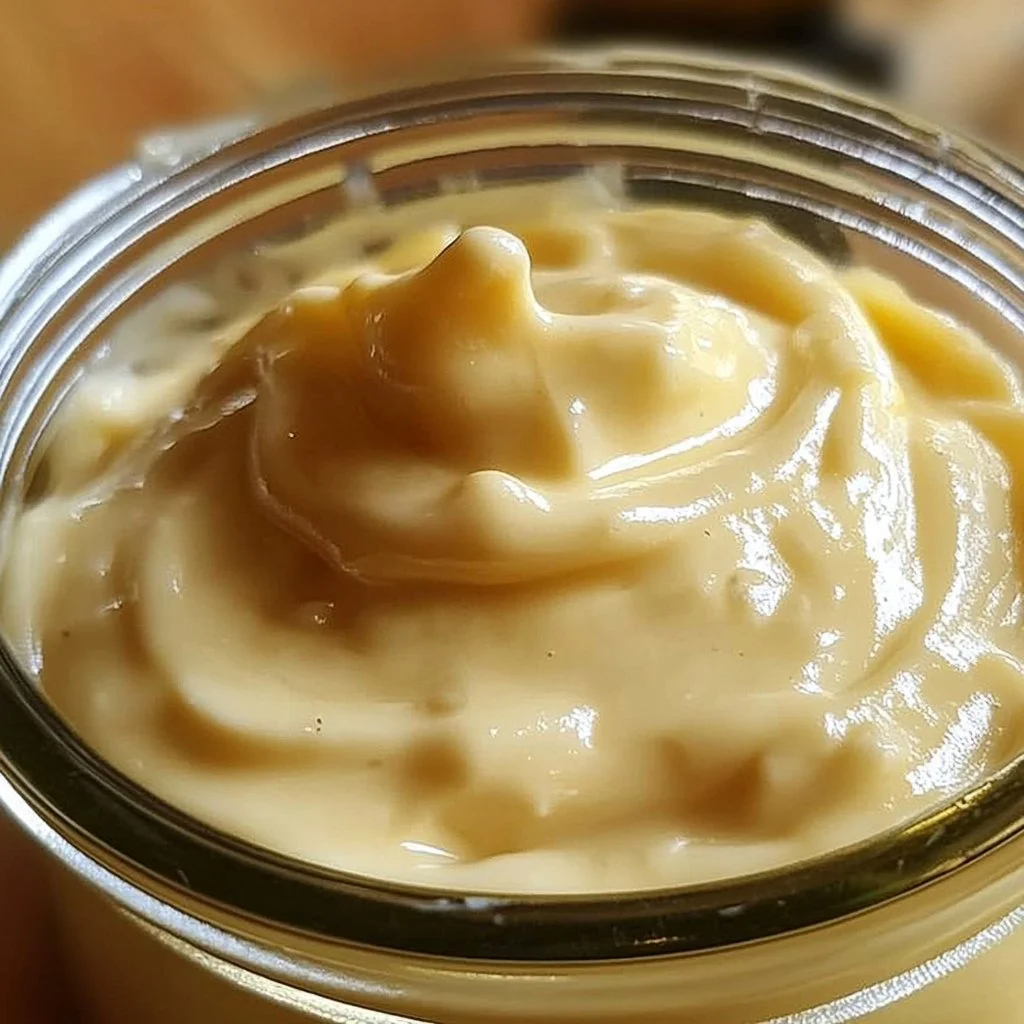
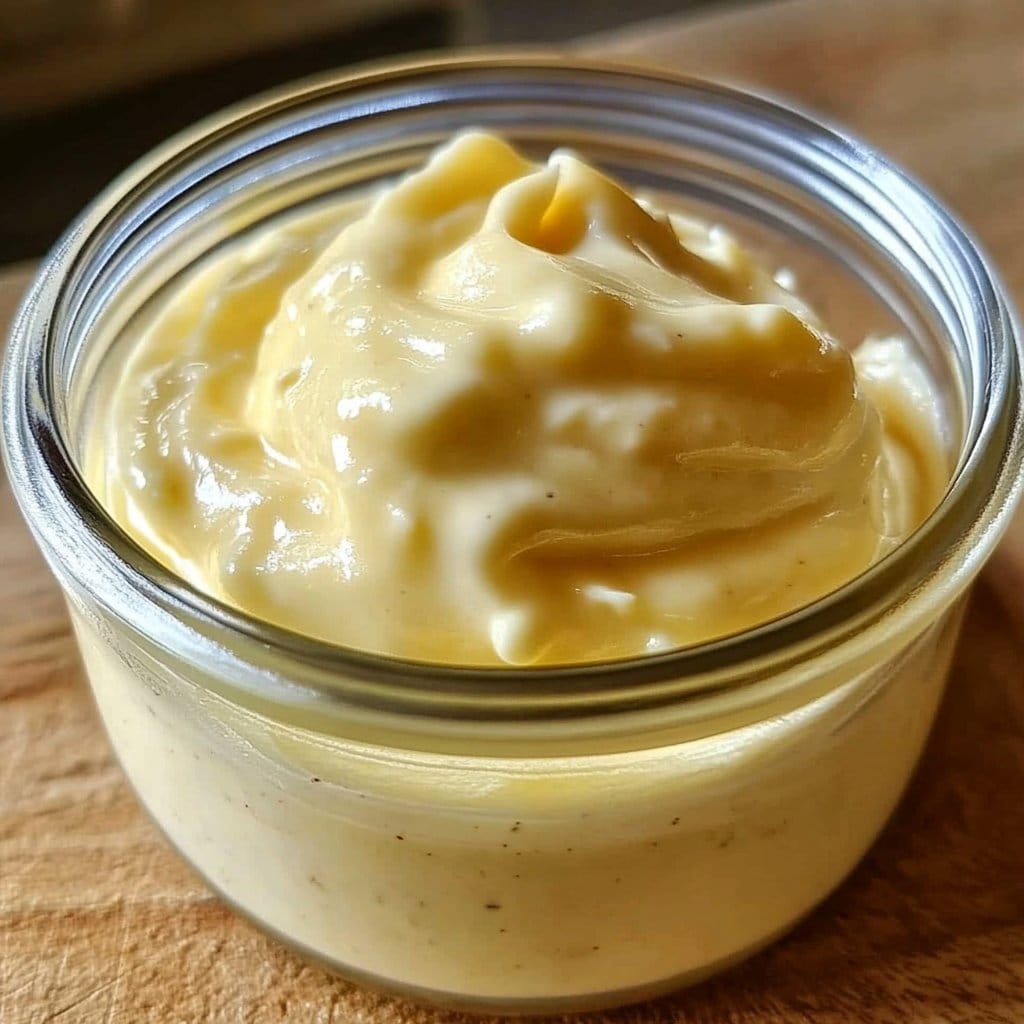
Keep blending until the mixture thickens and turns a pale yellow color. This should take about a minute or two, depending on the speed of your immersion blender. As it thickens, you’ll notice it becoming more mayonnaise-like.
Step 5 – Taste and Adjust
Taste your Homemade Mayyonnaise to check for seasoning. If needed, add salt to suit your preference. Don’t be afraid to get creative at this stage; you can also add garlic powder or fresh herbs for a little extra flavor.
Step 6 – Transfer and Store
Once happy with your mayonnaise, transfer it into a clean jar or container. Make sure to store it in the refrigerator to keep it fresh. Homemade Mayyonnaise can typically last about a week.
Step 7 – Clean Up
Rinse your immersion blender immediately after use to prevent the mayonnaise from hardening. A quick soak in warm soapy water will make cleanup easy. Enjoy your well-deserved homemade creation!
Serving Suggestions for Homemade Mayonnaise
Best Occasions to Serve This Dish
Homemade Mayyonnaise can shine at various occasions, whether it’s spread on a gourmet sandwich, used as a dip for fresh vegetables, or a creamy base for a salad dressing. It’s particularly fabulous at summer barbecues or potlucks, where guests can appreciate the effort you put into making it from scratch.
What to Serve With It
Pair Homemade Mayyonnaise with crispy fries for a decadent dipping experience, or slather it on a BLT sandwich. Use it as a dressing for coleslaw or toss it in potato salad to add richness. The possibilities are endless!
How to Store Homemade Mayonnaise Properly
Best Storage Practices
To keep your Homemade Mayonnaise fresh, store it in an airtight container in the refrigerator. Always use a clean spoon to avoid contaminating the batch. This will ensure that your mayonnaise retains its flavor and safety for as long as possible.
Reheating and Freezing Tips
Refrigerated mayonnaise should not be reheated, but it can last up to a week. If you want to make a larger batch, consider splitting it into smaller portions. Unfortunately, mayonnaise doesn’t freeze well—not just in terms of taste but also in texture. So, it’s best to make it fresh when you need it.
Tips & Tricks for Homemade Mayonnaise
Mistakes to Avoid
1 – Using Cold Ingredients: Ensure your egg is at room temperature. This helps with emulsification.
2 – Adding Oil Too Fast: Drizzle in the oil slowly for a better texture.
3 – Overblending: Blend until it’s thick, but don’t go overboard, or it could become too runny.
4 – Poor Quality Ingredients: Fresh eggs and good oil make a difference in flavor.
5 – Inadequate Mixing: Ensure everything is blended thoroughly for even taste distribution.
Extra Tips for Better Results
- Try adding different herbs or spices to create unique flavors, such as chipotle for a smoky kick.
- Use flavored oils, like olive or avocado oil, to enhance the richness and bring new dimensions to your mayonnaise.
- For a touch of tartness, consider adding a small amount of yogurt—a unique twist that still keeps the creaminess intact.
Recipe Variations of Homemade Mayonnaise
Creative Twists
- Herbed Mayonnaise: Blend in fresh herbs, like dill or basil, for a deliciously fresh condiment.
- Spicy Mayonnaise: Add sriracha, hot sauce, or cayenne pepper for a good heat boost.
- Garlic Aioli: Incorporate minced garlic for a robust garlic flavor—perfect for sandwiches and dips.
Dietary Adjustments
For a vegan version, replace the egg with aquafaba, and the result will still yield a creamy texture. You may also want to explore gluten-free variations, which are easy given that Homemade Mayonnaise naturally contains no gluten ingredients.
Conclusion about Homemade Mayonnaise
In summary, Homemade Mayyonnaise is a simple yet transformative culinary experience. It offers incredible flavor and freshness that you can’t replicate with store-bought versions. Beyond just a condiment, it’s a canvas for creativity in your kitchen. With this guide, you can craft your own batch and impress your family and friends. Plus, making it at home is not only easy but allows you to customize every aspect to fit your taste preferences. So go ahead, give Homemade Mayonnaise a try—your taste buds will thank you for it!
FAQs about Homemade Mayonnaise
How long does Homemade Mayonnaise last?
Homemade Mayonnaise can last up to a week when stored in an airtight container in the refrigerator.
Can I use any oil for Homemade Mayonnaise?
Yes, neutral oils like canola or vegetable oil work best for traditional flavor, but you can explore olive or avocado oil for a gourmet touch.
Is it safe to eat raw eggs in Homemade Mayonnaise?
Raw eggs carry a small risk of salmonella. To eliminate this risk, consider using pasteurized eggs.
What if my Homemade Mayonnaise doesn’t emulsify?
If it doesn’t thicken, try adding a little more oil very slowly while blending until it reaches the desired consistency.
Can I adjust the flavor of Homemade Mayonnaise?
Absolutely! Feel free to add herbs, spices, or even different vinegars to customize the flavor to your liking.
Can I freeze Homemade Mayonnaise?
Freezing is not recommended, as it can change the texture and taste once thawed. It’s best made fresh and consumed within a week.
What should I do if my mayonnaise is too thick?
If it’s too thick, mix in a teaspoon of water or lemon juice to loosen it up to your desired consistency.
Can I make Homemade Mayonnaise without an immersion blender?
Yes! You can use a whisk, but it will take more effort and time to achieve the correct consistency.
Are there vegan alternatives for this recipe?
Yes! You can use aquafaba as a substitute for eggs to create a delicious vegan mayonnaise.
What’s the best way to serve Homemade Mayonnaise?
Serve it as a dip with veggies, a spread on sandwiches, or as a dressing for salads to highlight its creamy texture and flavor.
Homemade Mayonnaise
Ingrédients
Main Ingredients
- 1 large egg Make sure it is at room temperature.
- 1 tablespoon Dijon mustard Can be substituted with other types of mustard.
- 1 tablespoon white wine vinegar or lemon juice Use either for a fresh taste.
- 1 cup vegetable oil Neutral oil works best, but you can use olive or avocado oil.
- to taste none Salt Adjust to your preference.
Instructions
Preparation
- Gather your ingredients on a clean workspace.
- Ensure the egg is at room temperature.
- Measure out the Dijon mustard, vinegar or lemon juice, and vegetable oil.
Mixing
- In a bowl, combine the egg, Dijon mustard, and your choice of vinegar or lemon juice.
- Blend thoroughly using an immersion blender until fully smooth and well combined.
Emulsification
- With the blender running, slowly drizzle in the oil.
- Start with just a few drops and gradually increase the flow as you continue blending.
Thickness Check
- Keep blending until the mixture thickens and turns a pale yellow color (about 1-2 minutes).
Seasoning
- Taste your Homemade Mayonnaise and adjust salt as needed.
Storage
- Transfer the mayonnaise into a clean jar or container.
- Store in the refrigerator.
Cleanup
- Rinse the immersion blender immediately and soak in warm soapy water.