
Table of Contents
Introduction to Korean New Year Meal: 7 Heartwarming Traditions Revealed
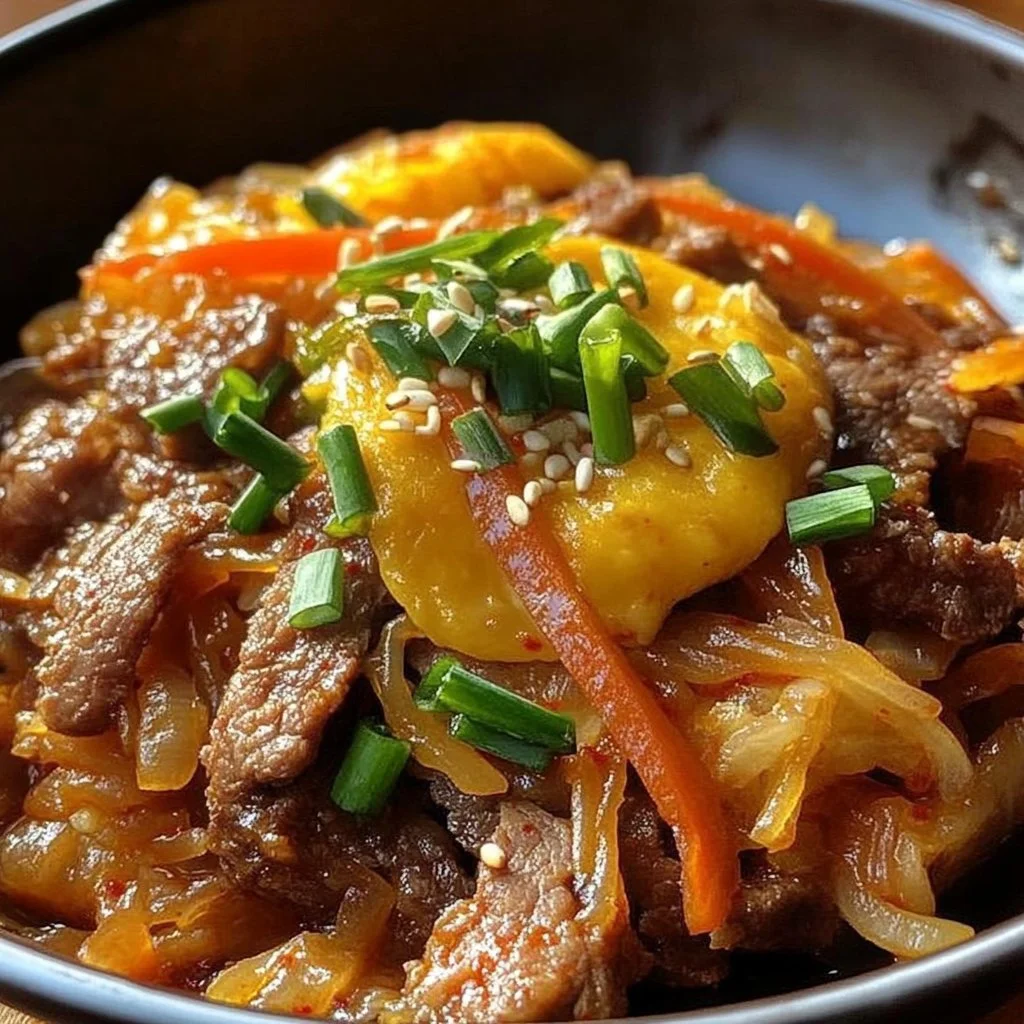
Have you ever wondered what makes a meal truly special during the festive season? The Korean New Year Meal: 7 Heartwarming Traditions Revealed is more than just a recipe; it’s a delicious and nostalgic journey through the heart of Korean culture. Imagine gathering around the table with family, sharing stories, and enjoying a meal that warms both the body and soul. This dish, made primarily with rice cakes, beef, and fresh vegetables, embodies the essence of celebration and togetherness.
The Korean New Year, known as Seollal, holds a significant place in the hearts of many. This day is not just about ringing in the new year but also about honoring one’s ancestors and embracing family ties. The Korean New Year Meal reflects these values beautifully. What better way to celebrate than with a heartwarming bowl of tteokguk, the traditional rice cake soup? This delightful meal is not only easy to prepare but also packed with flavors that transcend generations. Whether it’s the chewy texture of the rice cakes or the savory aroma of beef sizzling in sesame oil, each element has its own story to tell.
What truly sets this recipe apart is its versatility. You can easily customize ingredients to suit dietary preferences, making it accessible to everyone. Moreover, with every bite, you can feel the history and love that has been infused into this dish over the years. As the steam rises from the bowl, one can get lost in the rich flavors while savoring the moment.
So, why not take this opportunity to gather your loved ones, learn the recipe together, and create a beautiful memory that will last for years to come? Dive into the experience and discover how the Korean New Year Meal: 7 Heartwarming Traditions Revealed can bring warmth and joy to your dining table.
Key Benefits of Korean New Year Meal: 7 Heartwarming Traditions Revealed
Why You’ll Love This Recipe
- Rich flavors that combine tender beef, fresh vegetables, and chewy rice cakes.
- Easy preparation with simple steps that anyone can follow.
- Versatile ingredients that allow for dietary alterations or swaps.
- Cultural significance connecting you to Korean traditions.
- Makes a hearty meal ideal for family gatherings or cozy nights in.
- Satisfying textures that mix creamy, chewy, and meaty sensations in one dish.
What Makes It Stand Out
The Korean New Year Meal: 7 Heartwarming Traditions Revealed is not just about satisfying hunger; it’s an experience. This dish encapsulates nostalgia and warmth, making it perfect for various celebrations, especially during the Lunar New Year. Furthermore, it is easily customizable; whether you want to add more vegetables, switch to a different meat, or cater to a vegan diet, the possibilities are endless.
Moreover, this recipe is an invitation to share and create memories. Consider making it a family affair where everyone can contribute to the cooking process. Bonding over making a traditional dish can deepen connections and instill a sense of belonging.
Ingredients for Korean New Year Meal: 7 Heartwarming Traditions Revealed
Complete Ingredient List with Measurements
- Rice cake (tteok) – 500g
- Beef – 200g (preferably sirloin or brisket)
- Carrots – 1 medium
- Radish – 1 medium
- Eggs – 2
- Sesame oil – 2 tablespoons
- Garlic – 2 cloves
- Green onions – 2
- Salt – to taste
- Black pepper – to taste
Substitutes and Alternatives
If you’re allergic to beef, feel free to swap it with chicken, pork, or tofu for a plant-based alternative. The rice cakes can also be made from other grains like brown rice for a healthier option. For a gluten-free version, ensure that the soy sauce (if used) is derived from gluten-free sources.
Incorporating different vegetables can also be an exciting way to experiment with this recipe. For instance, adding mushrooms or bell peppers can provide a new layer of flavor and texture.
How to Make Korean New Year Meal: 7 Heartwarming Traditions Revealed – Step-by-Step Directions
Step 1 – Prepare Ingredients
Start by soaking the rice cakes in water for about an hour. This softens them, making them easier to stir-fry later. While they’re soaking, slice the beef, carrots, and radish into thin strips for even cooking and better texture.
Step 2 – Cook the Base
Heat a pan over medium heat and add 2 tablespoons of sesame oil. Once the oil is hot, add the minced garlic and sauté until fragrant, about 30 seconds. The aroma of garlic wafting through your kitchen is the first hint of the deliciousness to come.
Step 3 – Add the Beef
Stir in the sliced beef and cook until browned, approximately 3-4 minutes. The beef should be tender but not overcooked; aim for a nice sear.
Step 4 – Incorporate the Vegetables
Next, add the sliced carrots and radish to the pan. Stir-fry everything together for another 3-4 minutes until the vegetables are slightly tender but still crisp.
Step 5 – Combine with Rice Cakes
Add the soaked rice cakes to the mixture, stirring everything together to combine. Cook for another 5 minutes, allowing the rice cakes to absorb the flavors while becoming plump and chewy.
Step 6 – Scramble Eggs
In a separate pan, scramble the eggs over medium heat until they are fully cooked. Once done, slice them into strips for garnish.
Step 7 – Final Touches
Once the rice cake mixture is ready, remove from heat. Garnish generously with chopped green onions for a fresh finish.
Step 8 – Serve Hot
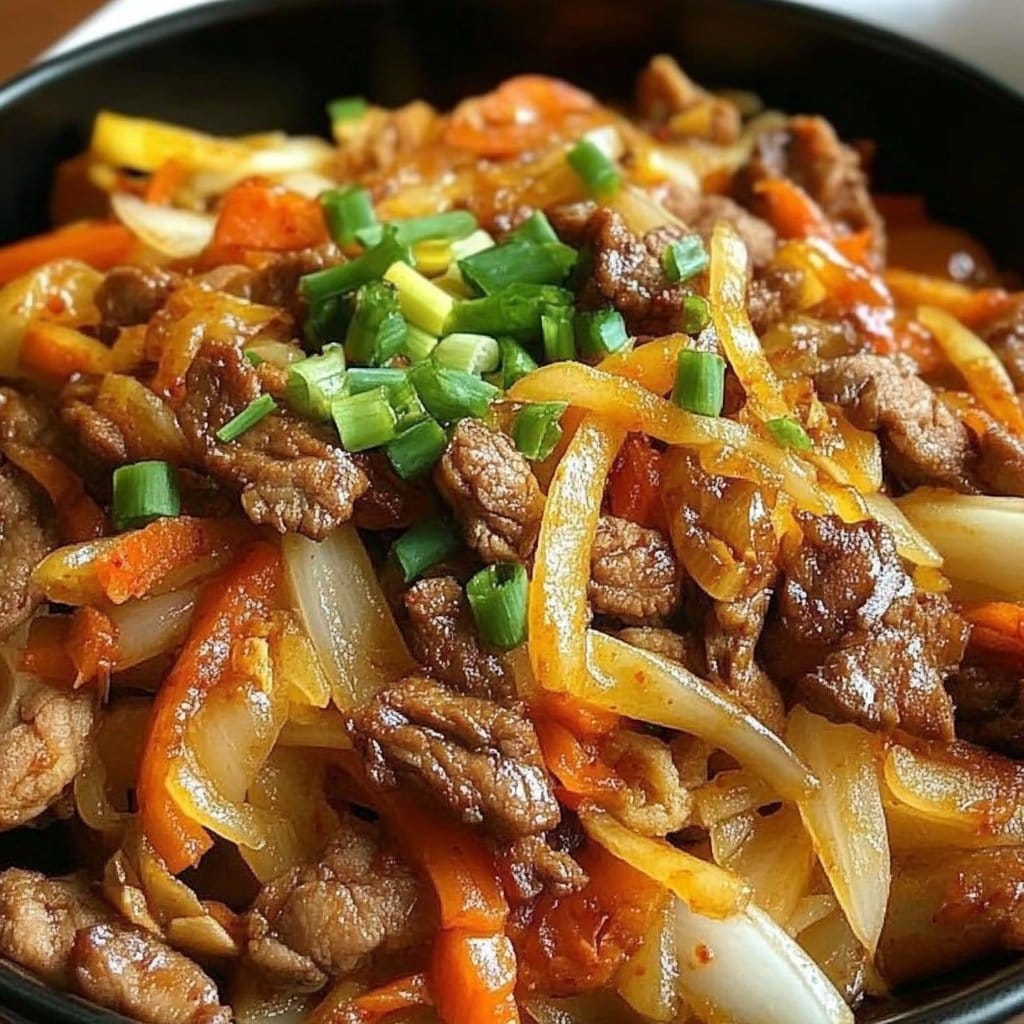
Dish out the warm Korean New Year Meal onto bowls, adding salt and black pepper to taste. Enjoy it hot, allowing the flavors to meld in every bite.
Serving Suggestions for Korean New Year Meal: 7 Heartwarming Traditions Revealed
Best Occasions to Serve This Dish
This dish is perfect for family gatherings, especially during Seollal. The Korean New Year Meal: 7 Heartwarming Traditions Revealed can also grace the table during birthdays or festive gatherings among friends. It creates a cozy atmosphere, encouraging conversation and connection.
What to Serve With It
Pair this meal with traditional banchan, such as kimchi or pickled vegetables, for added variety. You can also offer a side of Korean pancakes for a delightful touch. For drinks, consider serving traditional beverages like Sikhye or a light fruit punch to complement the flavors.
How to Store Korean New Year Meal: 7 Heartwarming Traditions Revealed Properly
Best Storage Practices
Allow any leftovers to cool completely before transferring them to an airtight container. This will help retain their texture and flavor. Store the meal in the refrigerator for up to three days.
Reheating and Freezing Tips
To reheat, simply warm the meal in a pan over low heat, adding a splash of water if it seems dry. You can also microwave it in short intervals, stirring in between to heat evenly. For freezing, ensure the meal is stored in a freezer-safe container and consume within a month for the best flavor.
Tips & Tricks for Korean New Year Meal: 7 Heartwarming Traditions Revealed
Mistakes to Avoid
1 – Overcooking the Beef
If you cook the beef for too long, it will become tough and dry. Aim for just enough time to sear it and achieve a good color.
2 – Soaking Rice Cakes Too Long
If the rice cakes soak for more than an hour, they can become too soft, making them mushy once cooked.
3 – Not Adding Enough Seasoning
Ensure you taste the dish while cooking. Adjust the salt and pepper accordingly to elevate the flavors.
4 – Using Very Low Heat
Cooking on low heat will not achieve the best texture when stir-frying. Medium-high heat is optimal for searing and browning.
5 – Skipping the Garnish
Don’t overlook the importance of garnishes like green onions. They add freshness and a pop of color.
Extra Tips for Better Results
- For enhanced flavor, consider marinating the beef in soy sauce, garlic, and sesame oil for 30 minutes before cooking.
- To add more nutrition, toss in extra vegetables like bell peppers or snap peas.
- If you enjoy spice, add some gochugaru for heat, giving the dish a unique twist.
Recipe Variations of Korean New Year Meal: 7 Heartwarming Traditions Revealed
Creative Twists
1 – Vegetarian Version
Replace the beef with tofu or tempeh, and add an assortment of vegetables like mushrooms, zucchini, or bell peppers for a hearty vegetarian meal.
2 – Spicy Kimchi Addition
Incorporate diced kimchi during the stir-fry for a spicy and tangy kick that complements the other flavors beautifully.
3 – Seafood Twist
Swap out beef for seafood like shrimp or squid for a delightful twist. This not only adds a different texture but also infuses a fresh ocean flavor.
Dietary Adjustments
For those following a gluten-free diet, ensure the rice cakes and any sauces used are gluten-free. To cater to a dairy-free approach, stick with oil for cooking instead of butter. Adjusting the recipe to suit various dietary needs ensures everyone can enjoy the meal.
Conclusion about Korean New Year Meal: 7 Heartwarming Traditions Revealed
The Korean New Year Meal: 7 Heartwarming Traditions Revealed is more than just a recipe; it’s a complete experience that brings people together. It combines tradition, flavor, and warmth, making it a staple for many households during celebrations. The beauty of this meal lies in its simplicity, yet the depth of flavor and cultural significance is profound. By making this dish, you’re not just creating a meal; you’re creating memories that will last a lifetime. So gather your loved ones and celebrate the heartwarming traditions of Korean New Year with this simple yet delicious dish.
FAQs about Korean New Year Meal: 7 Heartwarming Traditions Revealed
Can I make this meal ahead of time?
Yes, you can prepare the ingredients in advance and store them in the fridge. However, it’s best to cook the dish fresh to enjoy its optimal flavors.
How long does it last in the fridge?
The leftovers can be stored in the refrigerator for up to three days in an airtight container.
Can I freeze the leftover meal?
Yes, the meal can be frozen for up to a month. Make sure to store it in a freezer-safe container to maintain freshness.
What vegetables can I use instead?
Feel free to experiment with vegetables like zucchini, bell peppers, or mushrooms, depending on your preference.
Is it possible to make this dish vegan?
Absolutely! You can substitute beef with tofu or tempeh and skip the eggs to keep it vegan friendly.
How spicy can I make it?
You can adjust the spice level by adding gochugaru or even chopped chili peppers to the stir-fry for an extra kick.
What if I can’t find rice cakes?
If rice cakes aren’t available, you can use any type of noodles or even quinoa for a different take on the meal.
How do I ensure the beef is tender?
Cook the beef just until browned and avoid overcooking it, as this might make it tough. Marinating also helps to keep it tender.
Can I serve this dish cold?
This meal is best enjoyed hot, but you can serve it cold if you prefer. Just reheat it slightly before serving.
What side dishes pair well with this meal?
Consider serving traditional Korean sides like kimchi or pancake as they complement the meal wonderfully.
Korean New Year Meal
Ingrédients
Main Ingredients
- 500 g Rice cake (tteok)
- 200 g Beef (preferably sirloin or brisket)
- 1 medium Carrots sliced into thin strips
- 1 medium Radish sliced into thin strips
- 2 Eggs for scrambling
- 2 tablespoons Sesame oil
- 2 cloves Garlic minced
- 2 Green onions chopped for garnish
- Salt to taste
- Black pepper to taste
Instructions
Preparation
- Soak the rice cakes in water for about an hour to soften them.
- Slice the beef, carrots, and radish into thin strips.
Cooking
- Heat a pan over medium heat and add sesame oil.
- Once hot, add minced garlic and sauté until fragrant.
- Stir in the sliced beef and cook until browned.
- Add sliced carrots and radish, stir-fry until slightly tender.
- Combine the soaked rice cakes with the mixture and cook for another 5 minutes.
- In a separate pan, scramble the eggs until fully cooked and slice them for garnish.
- Remove the rice cake mixture from heat and garnish with chopped green onions.
- Serve hot, adding salt and black pepper to taste.