
Table of Contents
Introduction to Korean New Year Food: 7 Heartwarming Traditions to Savor
Have you ever wondered what families in Korea share during their New Year celebrations? One of the most beloved culinary traditions is the preparation and enjoyment of homemade dishes that bring warmth and joy to the festive atmosphere. The recipe for Korean New Year Food: 7 Heartwarming Traditions to Savor encapsulates this unique experience. It is a delightful mix of flavors, textures, and cultural significance, serving as a bridge between generations and bringing families together during this special time.
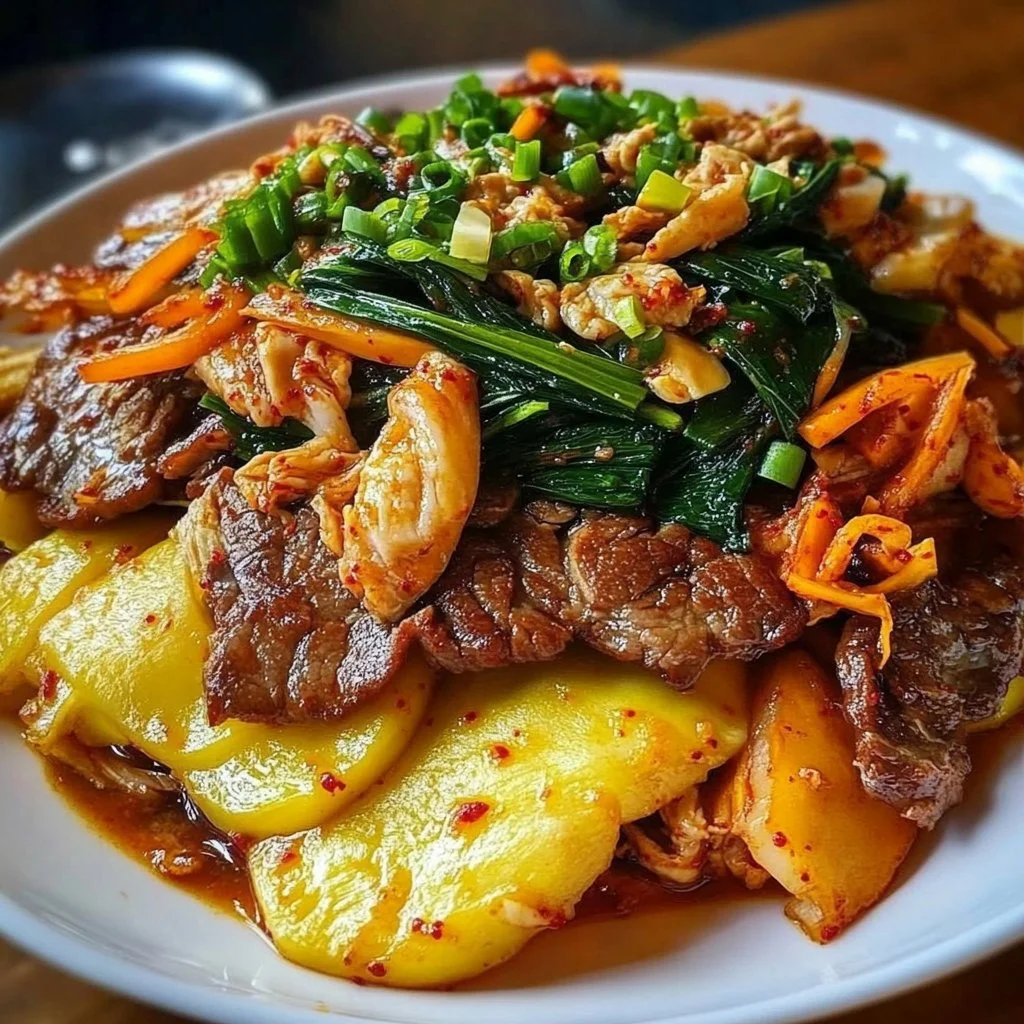
Korean New Year, known as Seollal, is a time of honoring ancestors, reflecting on the past year, and making wishes for the coming one. Food plays an essential role in these festivities, representing hopes for prosperity, good health, and happiness. One dish that stands out during this celebration is the savory rice cake, or tteok, made with tender beef, vibrant vegetables, and flavors that warm your heart. This recipe combines these elements in a way that showcases Korean culinary traditions eloquently.
When you try this dish, you’ll savor not only the rich taste but also the opportunity to engage in an enduring cultural practice. Each component adds a unique layer of flavor, creating a meal that is both wholesome and delicious. Whether you are celebrating with family or simply trying something new, Korean New Year Food: 7 Heartwarming Traditions to Savor brings a touch of tradition to your table in a delightful and accessible way.
Key Benefits of Korean New Year Food: 7 Heartwarming Traditions to Savor
Why You’ll Love This Recipe
- Rich, comforting flavor that warms the soul.
- Easy to prepare with simple, wholesome ingredients.
- Versatile options for customization based on dietary preferences.
- Perfect for family gatherings and celebrations.
- A beautiful presentation that enhances special occasions.
- Traditional dish with cultural significance and history.
What Makes It Stand Out
What makes this recipe truly special is how it mirrors the essence of Korean New Year celebrations. Each ingredient tells a story, from the rice cake symbolizing prosperity to the beef representing strength. The combination of flavors creates a friendly, inviting atmosphere that captures the spirit of togetherness.
Moreover, this dish allows for personalization. You can modify the ingredients to suit your taste or dietary requirements, making it a flexible addition to your cooking repertoire. Whether you’re sticking to tradition or exploring creative variations, you can enjoy this comforting meal any time of the year.
Ingredients for Korean New Year Food: 7 Heartwarming Traditions to Savor
Complete Ingredient List with Measurements
- Rice cake (tteok) – 500g
- Beef – 300g (beef brisket or sirloin is recommended)
- Carrots – 2 medium (sliced thinly)
- Eggs – 3 (beaten)
- Spinach – 200g (blanched)
- Garlic – 3 cloves (minced)
- Sesame oil – 2 tbsp
- Soy sauce – 3 tbsp
- Salt – to taste
- Black pepper – to taste
Substitutes and Alternatives
If you have dietary restrictions or allergies, fear not! You can substitute ingredients easily. For instance, use mushrooms or tofu instead of beef for a vegetarian twist. If you’re gluten-sensitive, look for gluten-free soy sauce to keep the dish safe for your needs.
For those who cannot have spinach, you could swap it with other leafy greens like kale or bok choy. This flexibility means no one has to miss out on the joyous flavors of Korean New Year Food: 7 Heartwarming Traditions to Savor.
How to Make Korean New Year Food: 7 Heartwarming Traditions to Savor – Step-by-Step Directions
Step 1 – Prepare Ingredients
Start by soaking the rice cake in water for about 30 minutes. This softens the rice cake, making it tender and easy to incorporate into the dish.
Step 2 – Cook the Base
In a pot, boil the beef with minced garlic and a pinch of salt over medium heat. Cook until the beef becomes tender, which should take about 40-60 minutes. Make sure to keep an eye on the water level, adding more if necessary.
Step 3 – Sauté Carrots
While the beef is cooking, slice two medium carrots thinly. Heat a pan over medium heat and add a splash of sesame oil. Sauté the carrots until they are soft, for about 3-4 minutes. Set aside.
Step 4 – Blanch Spinach
Next, wash the spinach thoroughly. Bring a pot of water to a boil, add the spinach, and blanch it for 1-2 minutes until vibrant green. Drain and cool in an ice bath to stop the cooking process. Squeeze out excess moisture and season with a dash of sesame oil and salt.
Step 5 – Fry Eggs
In a separate pan, heat a little sesame oil and pour in the beaten eggs. Scramble them until they form small curds, then cut them into strips after cooking. This adds a lovely texture to your dish.
Step 6 – Combine Ingredients
Once the beef is tender, thinly slice it and combine it in a large bowl with the softened rice cakes, sautéed carrots, blanched spinach, and egg strips. Mix everything gently to ensure even distribution.
Step 7 – Season it Right
Add soy sauce, black pepper, and additional salt to taste. This is where you can adjust the flavor profile to suit your preferences, ensuring that each bite is just right.
Step 8 – Serve It Up
Once everything is well-mixed and seasoned, it’s time to serve! This dish can be enjoyed warm or at room temperature, making it versatile for gatherings or family dinners.
Step 9 – Dipping Sauce (Optional)
You can serve Korean New Year Food: 7 Heartwarming Traditions to Savor with a side of soy sauce for dipping. This adds an extra layer of flavor that complements the dish beautifully.
Step 10 – Taste and Enjoy
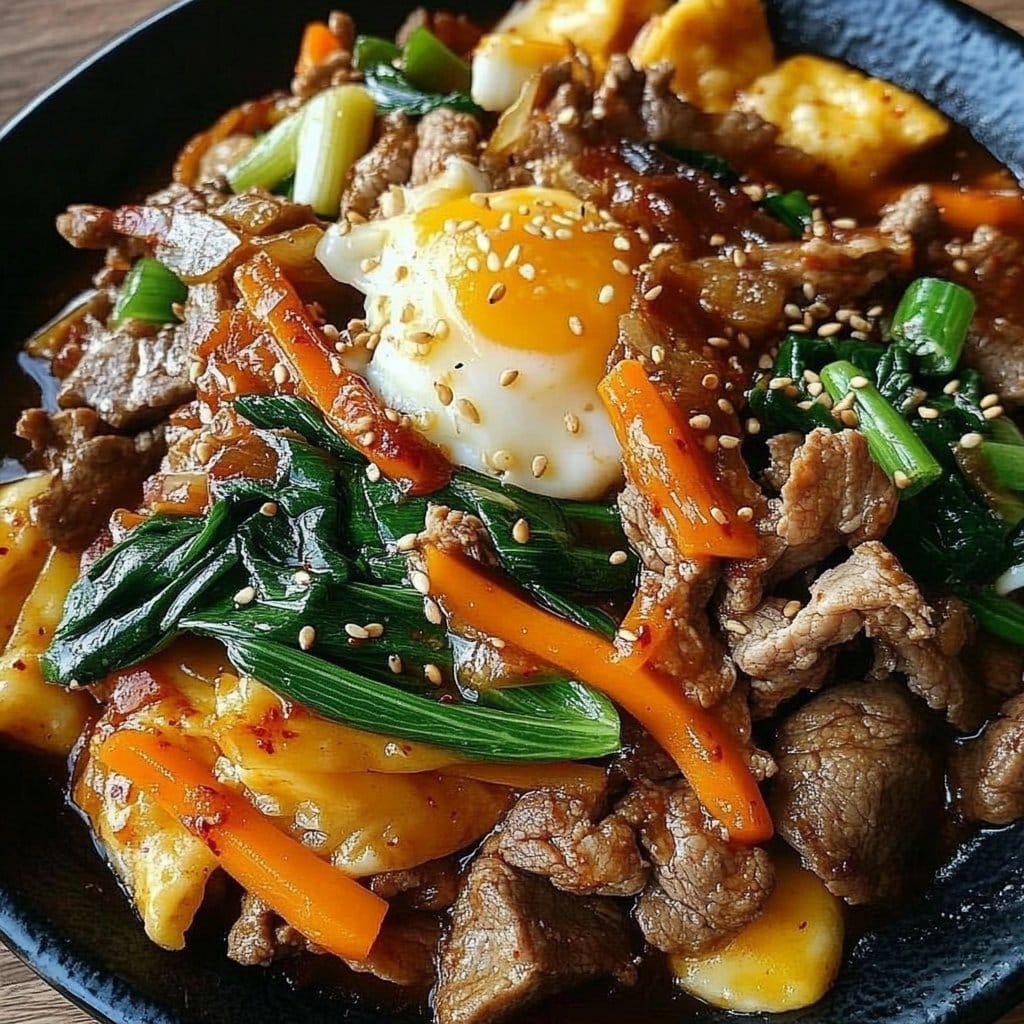
Take a moment to appreciate the vibrant colors and aroma of your creation before diving in. Enjoy this hearty dish, relishing both the flavors and the memories created around the table.
Serving Suggestions for Korean New Year Food: 7 Heartwarming Traditions to Savor
Best Occasions to Serve This Dish
While this dish is primarily recognized during the Korean New Year, its comforting nature makes it suitable for various occasions, such as family gatherings, potlucks, or festive dinners. Serve it when you want to create a warm, inviting atmosphere that brings everyone together.
What to Serve With It
To complement Korean New Year Food: 7 Heartwarming Traditions to Savor, consider serving it alongside traditional side dishes like kimchi or pickled vegetables. These sides enhance the main dish’s flavor and add a delightful crunch to the meal. A light soup or refreshing salad could round out the meal perfectly.
How to Store Korean New Year Food: 7 Heartwarming Traditions to Savor Properly
Best Storage Practices
Store any leftover Korean New Year Food: 7 Heartwarming Traditions to Savor in an airtight container in the refrigerator. It can last for up to 3-4 days. If you plan to enjoy it later, consider freezing portions for extended storage.
Reheating and Freezing Tips
To reheat, simply microwave on medium heat until warmed through, stirring occasionally to ensure even heating. If freezing, keep it in resealable bags or airtight containers, and consume within 1-2 months for the best quality. Thaw in the refrigerator overnight before reheating.
Tips & Tricks for Korean New Year Food: 7 Heartwarming Traditions to Savor
Mistakes to Avoid
1 – Overcooking the beef can result in a tough texture. Keep an eye on it during cooking and adjust timing as needed.
2 – Neglecting to soak the rice cake will lead to a chewy texture. Always soak for at least 30 minutes beforehand.
3 – Skipping the seasoning step can make the dish bland. Ensure to taste and adjust the seasoning to your preference.
4 – Not blanching the spinach can lead to a bitter taste. Blanching brightens the flavor greatly.
5 – Forgetting to cut the eggs into strips may affect presentation. Attention to detail enhances the dining experience.
Extra Tips for Better Results
To elevate the flavor, try adding a touch of ginger when boiling the beef. For added crunch, toss in some toasted sesame seeds just before serving. Consider garnishing the dish with green onion or chopped herbs to really brighten it up. A little chili oil can also add a delightful kick for spice lovers.
Recipe Variations of Korean New Year Food: 7 Heartwarming Traditions to Savor
Creative Twists
1 – Vegetarian Version: Replace the beef with firm tofu or even tempeh for a plant-based alternative. Flavor it with soy sauce and sautéed mushrooms to add depth.
2 – Spicy Kick: Add gochujang (Korean chili paste) for a spicier variant. Mix it into the dipping sauce or fold it into the base mixture for heat.
3 – Mixed Veggie Delight: Experiment by adding other vegetables like bell peppers, zucchini, or mushrooms for a colorful twist that packs in nutrition and flavor.
4 – Noodle Addition: Incorporate some cooked glass noodles for a slightly different texture and delightful chewiness that complements the rice cake.
Dietary Adjustments
For a gluten-free alternative, switch soy sauce for gluten-free tamari. If dairy-free is a must, this recipe is already dairy-free, so enjoy it without worry. Vegans can omit the eggs or use a chickpea flour scramble as an egg substitute.
Conclusion about Korean New Year Food: 7 Heartwarming Traditions to Savor
Korean New Year Food: 7 Heartwarming Traditions to Savor is much more than just a meal; it’s a celebration of culture, family, and tradition. Preparing this dish not only fills your home with enticing aromas but also opens up a doorway into the rich tapestry of Korean heritage. Each component of the recipe tells a story, evoking memories of laughter, celebration, and togetherness during the New Year’s festivities.
Whether you are familiar with Korean cuisine or experiencing it for the first time, this dish offers an easy yet delicious way to connect with the cultural significance behind every ingredient. Don’t hesitate to bring this fabulous recipe to your table—share it with friends and family, and create your own cherished memories around this heartwarming dish. Dive into the flavors, embrace the traditions, and savor the moments that follow; you’ll discover that each bite has the power to transport you to the loving spirit of Seollal.
FAQs about Korean New Year Food: 7 Heartwarming Traditions to Savor
How do you store leftovers?
Store leftovers in an airtight container in the fridge for up to 3-4 days.
Can I make this dish ahead of time?
Yes, you can prepare the components a day in advance and assemble them right before serving.
Can I freeze this dish?
You can freeze portions of the dish for up to 1-2 months. Make sure to thaw it in the refrigerator overnight before reheating.
What is a good vegan substitute for beef?
Firm tofu or tempeh works well as a substitute for beef, providing a similar texture.
How do I adjust the spice level?
You can add gochujang for a spicy variation, or serve with chili oil on the side for those who enjoy heat.
What are some good sides to serve with this?
Serve it alongside kimchi, pickled vegetables, or a fresh salad to enhance the meal’s flavor.
Is this dish gluten-free?
To make this dish gluten-free, use tamari instead of regular soy sauce.
How long does it take to cook the beef?
Cooking the beef takes about 40-60 minutes until it is tender, so plan accordingly.
Can I use different vegetables?
Absolutely! Feel free to mix in other veggies like zucchini or bell peppers for more variety.
What’s the best way to reheat leftovers?
Reheat leftovers in the microwave or on the stovetop over low heat, stirring occasionally for even warming.
Korean New Year Food
Ingrédients
Main Ingredients
- 500 g Rice cake (tteok)
- 300 g Beef (beef brisket or sirloin recommended)
- 2 medium Carrots (sliced thinly)
- 3 Eggs (beaten)
- 200 g Spinach (blanched) Can substitute with other leafy greens
- 3 cloves Garlic (minced)
- 2 tbsp Sesame oil
- 3 tbsp Soy sauce
- Salt To taste
- Black pepper To taste
Instructions
Preparation
- Soak the rice cake in water for about 30 minutes.
- In a pot, boil the beef with minced garlic and a pinch of salt over medium heat for 40-60 minutes until tender.
- Slice the carrots thinly and sauté them in a pan with a splash of sesame oil for 3-4 minutes.
- Blanch the spinach in boiling water for 1-2 minutes, then cool in an ice bath. Squeeze out excess moisture and season.
- Scramble the beaten eggs in a pan and cut them into strips.
Assembly
- Once the beef is tender, thinly slice it and combine it with softened rice cakes, sautéed carrots, blanched spinach, and egg strips in a large bowl.
- Season the mixture with soy sauce, black pepper, and salt to taste.
- Serve warm or at room temperature, optionally with a side of soy sauce for dipping.
- Garnish with green onions or chopped herbs if desired.